Translate

Saturday, 29 November 2025

Indian Railway Is Tourist-Friendly

Pavan Kumar (cousin brother)CC BY-SA 4.0, via Wikimedia Commons
How the Indian Railway Is Tourist-Friendly: A Complete Guide for Travelers

When you think about exploring India, you’re likely to imagine vibrant cities, serene villages, majestic mountains, and sweeping coastlines. 

What you may not realize at first is that one of the best ways to experience all of this is through the Indian Railway—a vast network that doesn’t just transport you from place to place but also shapes your travel experience. As a tourist, you’ll find that the Indian Railway isn’t merely convenient; it’s intentionally tourist-friendly, accessible, and surprisingly comfortable when you know how to navigate it.

In this essay, you’ll discover why the Indian Railway is such a travel-friendly system, how it enhances your journey through India, and what makes it one of the greatest assets for tourism in the country.

1. You Get Access to One of the World’s Largest and Most Connected Rail Networks

When you travel in India, you’ll find that trains can take you almost anywhere you want to go. With over 68,000 kilometers of track spanning from the Himalayan foothills to the tip of Kanyakumari, Indian Railways gives you unmatched connectivity. As a tourist, this means you can plan your itinerary without worrying about limited accessibility.

Whether you want to visit the Taj Mahal, trek in the Himalayas, explore Goa’s beaches, or immerse yourself in Rajasthan’s palaces, you’ll find that trains connect even the most remote or lesser-known destinations. This makes your travel both economical and efficient, especially when compared to flights or road travel.

Vande Bharat Express Economy Chair Car (interior)
GKP77CC BY-SA 4.0, via Wikimedia Commons

2. You Can Choose from a Wide Range of Budget Options


One of the biggest advantages you’ll notice as a tourist is the variety of ticket classes Indian Railway offers. 

You don’t have to compromise on comfort or budget, because there’s something for every type of traveler.


You can choose from:

  • General Class if you're traveling economically

  • Sleeper Class for long-distance budget travel

  • AC Coaches (1A, 2A, 3A) for a comfortable, air-conditioned experience

  • Executive Chair Car and AC Chair Car for short, fast daytime travel

  • Vistadome Coaches with panoramic glass ceilings for scenic routes

This flexibility allows you to tailor your travel according to your comfort level and travel style. As a tourist, especially if you’re traveling long distances, you’ll appreciate that even the higher classes remain fairly affordable when compared to global standards.

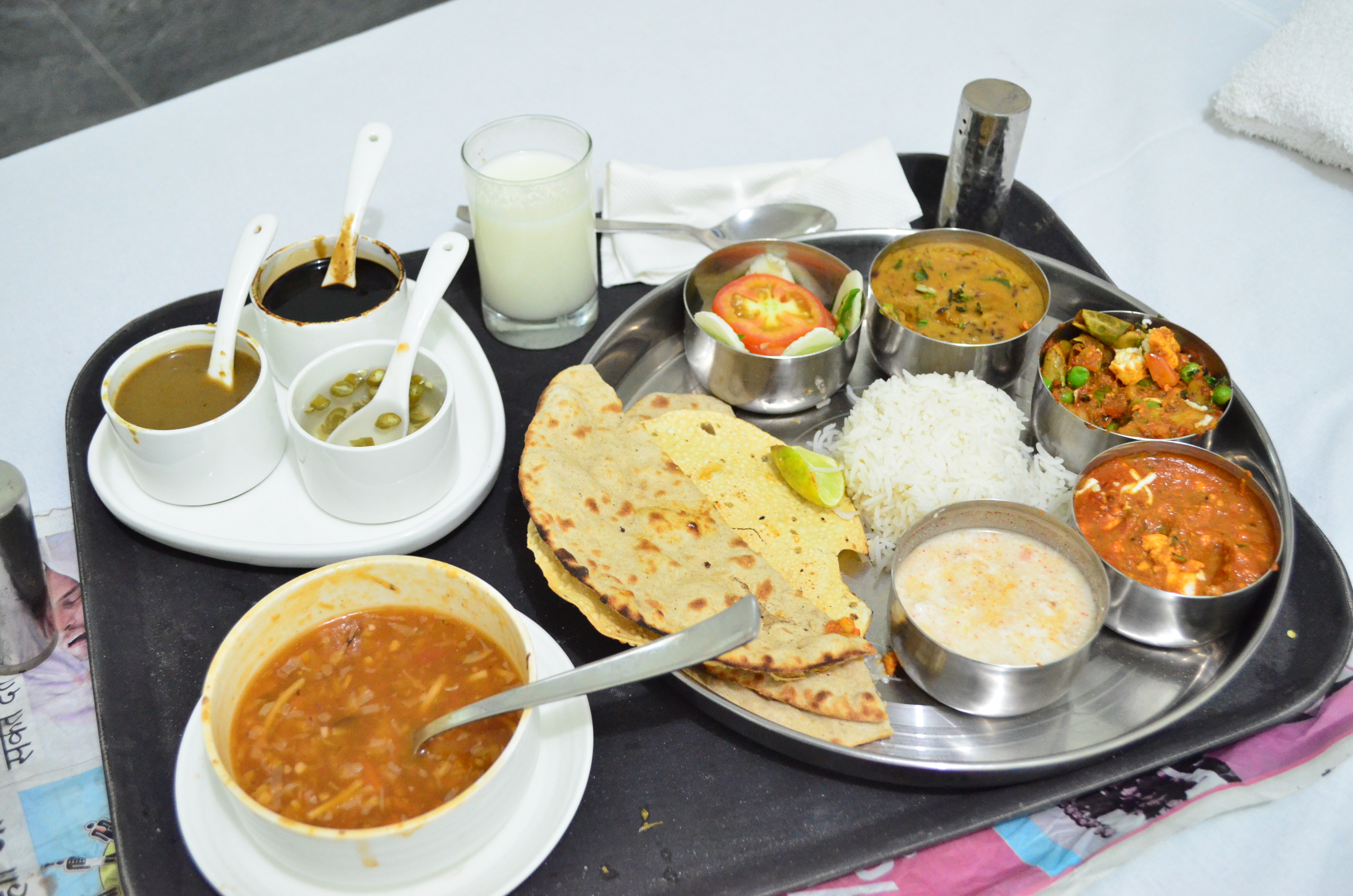
Food served in Indian Railway
AbhiSuryawanshiCC BY-SA 4.0, via Wikimedia Commons
3. You Enjoy Scenic Routes That Make Your Journey Memorable

Traveling by train in India isn’t just functional—it’s an experience. 

Some routes offer breathtaking landscapes that turn your travel time into a sightseeing opportunity. 

You’ll find yourself crossing high mountain passes, passing through lush forests, rolling past deserts, rivers, and lakes, and experiencing regions with diverse cultures and geographies.

If you take routes like:

  • Kalka to Shimla (Toy Train)

  • Darjeeling Himalayan Railway

  • Konkan Railway from Mumbai to Goa

  • Nilgiri Mountain Railway

You’ll feel as though you’re riding through postcards brought to life. These UNESCO-recognized heritage lines are loved by tourists, and the panoramic coaches make them even more enjoyable. The railways deliberately promote these scenic routes to attract travelers like you who crave immersive adventure.

If any tourists need any help, here is the official website of the Government of India to guide the domestic and foreign tourists: India Tourism Development Corporation (ITDC)

4. You Benefit from Tourist-Friendly Booking Systems

Gone are the days when booking a train ticket required long queues at the station. As a tourist, you’ll find that IRCTC’s online booking platform is easy, fast, and available 24/7. You can check seat availability, train timings, routes, and fares right from your phone.

Some features you’ll appreciate include:

  • Tatkal Booking for last-minute travel

  • Tourist Quotas available in several major trains

  • Real-time train tracking

  • Mobile app support for seamless booking and cancellations

You can even book meals, hotel stays, and tourism packages through IRCTC, making your travel planning smoother.

শরদিন্দু ভট্টাচার্য্যCC BY-SA 4.0, via Wikimedia Commons
5. You Experience Railway Tourism Packages Tailored Just for Travelers Like You

Indian Railway isn’t just a transport system—it’s also a tourism promoter. 

Through IRCTC Tourism, you get access to curated travel packages that simplify your journey while ensuring maximum enjoyment.

You can choose from:

  • Bharat Gaurav Tourist Trains showcasing cultural and historical circuits

  • Maharajas’ Express, one of the world’s most luxurious trains

  • Buddhist Circuit Tourist Train for spiritual exploration

  • State-specific packages including accommodation, sightseeing, and meals

These packages are designed so you don’t have to worry about logistics—they take care of everything from transportation to guided tours, making them ideal if you want stress-free travel.

6. You Enjoy Unique Onboard Experiences

If you’re imagining train travel as just sitting and waiting to reach your destination, you’re in for a pleasant surprise. Indian Railways has modernized many of its services to ensure a comfortable and enjoyable experience for tourists.

You may find:

  • Clean and well-maintained coaches

  • Onboard catering services offering regional cuisines

  • Bedroll services in AC coaches

  • Charging points for phones and laptops

  • Bio-toilets for hygiene

  • Vistadome glass roofs in select trains

Many premium trains like Vande Bharat Express, Rajdhani, and Tejas Express offer amenities comparable to air travel—LCD screens, automated doors, and modern interiors—making your journey smooth and satisfying.

7. You Get Safe and Accessible Travel

As a tourist, especially if you’re traveling solo or exploring India for the first time, safety is a top concern. Indian Railway has implemented several features to help travelers feel secure and comfortable.

These include:

  • Women-only coaches

  • Railway Protection Force (RPF) presence at major stations

  • Rail Madad hotline and app for emergency assistance

  • CCTV surveillance at many stations

  • GPS-enabled train tracking

Accessibility is also prioritized with:

  • Ramps and wheelchairs at major stations

  • Elevators and escalators

  • Dedicated assistance for elderly and disabled travelers

These improvements ensure that your travel remains convenient regardless of your age or physical limitations.

Pavan Kumar (cousin brother)CC BY-SA 4.0, via Wikimedia Commons

8. You Get Easy Access to Railway Stations Across India

Another reason the Indian Railway is tourist-friendly is its extensive network of stations located in the heart of cities and near major tourist destinations. You’ll find that stations are typically well-connected to nearby attractions through taxis, autos, buses, and metros.

Whether you're visiting:

  • Jaipur’s palaces

  • Varanasi’s ghats

  • Kerala’s backwaters

  • Orchha’s temples

  • Mumbai’s colonial landmarks

…you’ll find that the nearest railway station gets you close enough to start exploring right away.

9. You Can Travel Sustainably and Reduce Your Carbon Footprint

If you’re an eco-conscious traveler, you’ll appreciate knowing that train travel is one of the most environmentally friendly modes of transportation. Indian Railway has been moving toward cleaner energy by adopting:

  • Solar-powered stations and trains

  • Electrification of routes

  • Energy-efficient locomotives

When you choose trains over flights or private vehicles, you significantly reduce carbon emissions while still enjoying comfort and convenience.

10. You Get a Cultural Experience Unlike Anything Else

One of the things that makes the Indian Railway uniquely tourist-friendly is the cultural immersion you enjoy along the way. As you travel, you’ll meet locals from different states, hear multiple languages, and see everyday Indian life unfold around you.

You get to:

  • Share meals and stories with fellow passengers

  • Watch changing landscapes and traditional lifestyles

  • Experience India’s diversity in real time

This cultural exposure becomes one of the most memorable aspects of your journey through India.

Conclusion: Your Most Reliable Travel Partner in India

When you explore India, the Indian Railway becomes more than just a mode of transportation—it becomes a part of your adventure. Whether you're seeking affordability, comfort, cultural immersion, safety, or scenic beauty, the railway system provides it all.

From booking your ticket to reaching your destination, you’ll find that the Indian Railway is truly tourist-friendly, thoughtfully designed to make your journey smooth, enjoyable, and unforgettable.

If you want to experience India in its most authentic form, all you need to do is hop on a train—and let the tracks guide your adventure.

Wednesday, 26 November 2025

Visit India: Three Reasons for Which You Must Travell to India

Welcome To India
A.Savin, FAL, via Wikimedia Commons
The Gateway of India in Mumbai,
India


INTRODUCTION

India has long been one of the world’s most captivating travel destinations—a land where ancient civilizations, vibrant cultural traditions, and breathtaking geography meet in a symphony of color and experience. 

Travelers from every corner of the globe arrive with curiosity and leave with memories that last a lifetime. 

Whether it is the architectural grandeur of the Taj Mahal, the serenity of the Himalayan foothills, or the warmth of Indian hospitality, the country offers something profoundly enriching for every kind of visitor.

Among the countless motivations to travel to India, three stand out more powerfully than the rest: its extraordinary cultural heritage, its unparalleled natural diversity, and its transformative spiritual experiences. Together, these three reasons form a compelling invitation for anyone seeking discovery, inspiration, or adventure.

1. India’s Extraordinary Cultural Heritage

One of the most compelling reasons to visit India is its vast and mesmerizing cultural heritage. Few countries on Earth can match India’s long historical timeline, which stretches back more than 5,000 years. The richness of Indian culture is not confined to museums or textbooks; it lives and breathes in its architecture, festivals, daily customs, languages, and artistic traditions.

DhiradCC BY-SA 3.0, via Wikimedia Commons
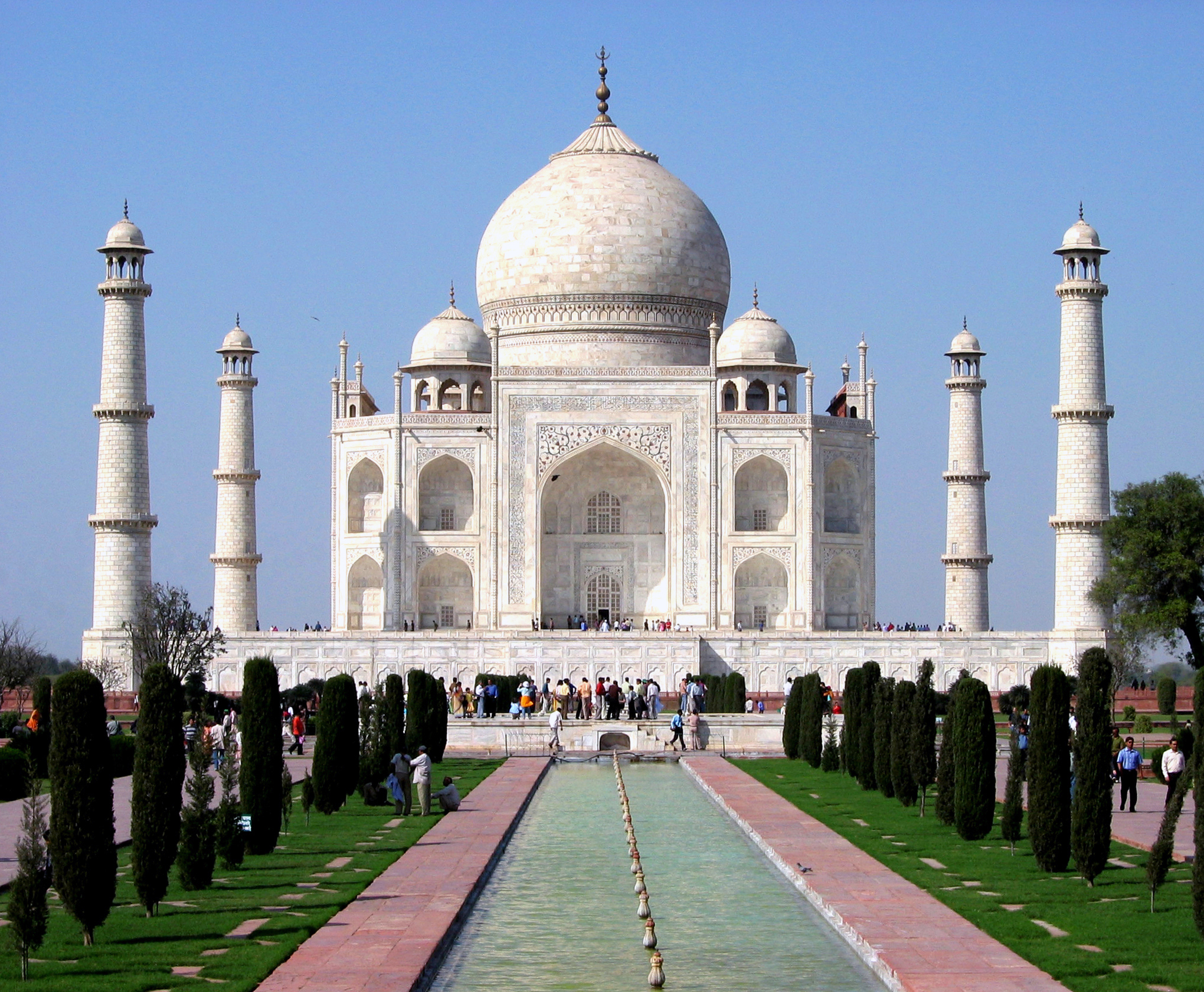
Taj MahalAgra, India.

A. Architectural Marvels and Historic Monuments

India’s architectural legacy reflects the diversity of the empires and dynasties that ruled its land—Hindu kingdoms, Mughal emperors, Rajput warriors, Buddhist monks, and colonial powers. 

Each left behind a unique aesthetic imprint, resulting in an incredible array of monuments and historical sites.

The Taj Mahal in Agra, a UNESCO World Heritage Site, continues to symbolize the grandeur of Mughal architecture and remains one of the most visited landmarks in the world. Beyond its striking white marble façade, its story of love and loss gives it emotional depth that visitors often find deeply moving.

Equally impressive are the temples of Khajuraho, known for their exquisite, intricate carvings; the Meenakshi Temple in Madurai, a riot of colors and mythology; the Rajput forts and palaces of Rajasthan; and the ancient Buddhist caves of Ajanta and Ellora, whose art and architecture date back over two millennia.

Bharathanaatyam 
Shagil Kannur
CC BY-SA 4.0,
 via Wikimedia Commons

B. Festivals and Cultural Celebrations

India’s festivals are perhaps the strongest living expression of its cultural vibrancy. 

No matter the time of year, there is a celebration happening somewhere. 

Visitors can witness the dazzling lights and joy of Diwali, the exhilarating color explosion of Holi, the spiritual devotion of Kumbh Mela, or the rhythmic energy of Navratri.

These events are far more than just spectacles—they offer opportunities for travelers to participate in rituals, taste traditional foods, and experience the warmth of Indian community life. 

Every festival tells a story of faith, change, and continuity, connecting the past to the present.

Typical Veg North Indian Thali
Prav2991993CC BY-SA 4.0, via Wikimedia Commons

C. Diverse Languages, Arts, and Cuisine

India’s cultural richness is also expressed in its languages (over 19,500 dialects), classical music traditions, dance forms such as Bharatanatyam and Kathak, and its varied regional cuisines. 

Food alone is a remarkable reason to visit India; each state boasts a distinct culinary identity influenced by geography, history, and local produce.

Visitors can savor everything from the aromatic biryanis of Hyderabad to the spicy curries of Kerala, the delicate sweets of Bengal, and the hearty wheat-based dishes of Punjab. Culinary tourism has flourished as travelers increasingly seek authentic, regional flavors.

In short, India’s cultural heritage is not just something you observe—it is something you feel, taste, hear, and live. Anyone looking to understand human creativity, resilience, and tradition will find India an endlessly rewarding destination.

If any tourists need any help, here is the official website of the Government of India to guide the domestic and foreign tourists: India Tourism Development Corporation (ITDC)

Happy Peackock in Jim Corbett National Park
NandanCC BY-SA 4.0,
via Wikimedia Commons
Dancing peackock in Jim Corbett

2. India’s Unparalleled Natural Diversity

Another major reason to visit India is the astonishing diversity of its landscapes. 

From the majestic, snow-capped peaks of the Himalayas in the north to the sun-drenched, palm-fringed beaches of the southern coastline, India offers a breathtaking tapestry of geographical contrasts. 

This vast nation encompasses virtually every type of terrain and climate zone imaginable. One can travel from the humid, verdant rainforests of the Western Ghats—teeming with unique flora—to the arid, shifting golden dunes of the Thar Desert, all within the same borders.

This extraordinary diversity makes the country an absolute paradise for nature lovers, adventure seekers, and wildlife enthusiasts. Whether it is tracking the elusive Bengal tiger on a jungle safari, trekking through rugged mountain passes, or finding serenity by the azure waters of the Indian Ocean, the land provides endless opportunities for exploration. India is not just a destination; it is a vibrant showcase of nature’s limitless variety, promising an unforgettable experience for every type of traveler.

VishalmgsCC BY-SA 4.0,
via Wikimedia Commons 
Dal Lake in Srinagar, Jammu and Kashmir, India.

A. Mountains, Hills, and Himalayan Adventures

The Indian Himalayan region is one of the most beautiful places in the world, offering serene monasteries, scenic trekking routes, and opportunities for mountaineering and meditation retreats. 

Destinations like KashmirLadakh, Himachal Pradesh, Uttarakhand, and Sikkim draw travelers who seek fresh air, quiet villages, and breathtaking vistas.

For adventure tourists, India’s mountains offer trekking, white-water rafting, skiing, paragliding, and wildlife camping. 

Meanwhile, those who prefer tranquility can enjoy lush hill stations like Darjeeling, Shimla, and Ooty, where misty mornings, tea gardens, and colonial charm make for a relaxing stay.

Asiatic Lion, Gir Reserve Forest, India
M1shra at English Wikipedia, Public domain, via Wikimedia Commons

B. Forests, National Parks, and Wildlife Sanctuaries

India is home to some of the most biologically diverse ecosystems on the planet. With over 100 national parks and 500 wildlife sanctuaries, the country offers incredible opportunities for safaris and nature exploration. Visitors can witness:

  • Royal Bengal tigers in Sundarbans or Ranthambore

  • Asiatic lions in Gir National Park

  • Elephants, rhinos, and leopards in the forests of Assam

  • Colorful birdlife across the wetlands of Bharatpur

Eco-tourism has risen in India, with travelers increasingly seeking sustainable experiences that preserve wildlife and support local communities.

Backwater Ferry, Kerala
Liji Jinaraj from San Francisco, USA
CC BY-SA 2.0, via Wikimedia Commons

C. Beaches, Islands, and Coastal Beauty

India’s coastline stretches for more than 7,500 kilometers, offering pristine beaches, coral reefs, and charming fishing villages. The beaches of Goa, Kerala, and Andhra Pradesh are perfect for relaxation, water sports, and vibrant nightlife. 

The secluded, breathtaking islands of Andaman and Nicobar and Lakshadweep attract scuba divers and snorkelers with their crystal-clear waters and abundant marine life.

D. Deserts, Valleys, and Unique Landforms

The Thar Desert in Rajasthan offers camel safaris, desert camps, and rich folk culture. Meanwhile, extraordinary landforms like the Valley of Flowers, the Rann of Kutch, and the backwaters of Kerala provide one-of-a-kind travel experiences that cannot be replicated anywhere else in the world.

Visitors seeking natural beauty, environmental diversity, or adventure will find India’s landscapes not just spectacular but transformative.

3. India’s Deeply Transformative Spiritual Experiences

The third major reason to visit India is its profound spiritual heritage. India is not only the birthplace of four major religions—Hinduism, Buddhism, Jainism, and Sikhism—but also a modern-day hub for yoga, meditation, and holistic healing.

For thousands of years, travelers, scholars, and seekers have come to India searching for inner peace, wisdom, enlightenment, and self-discovery.

A. Birthplace of Yoga and Meditation

Yoga, which originated in ancient India, has become a global phenomenon—but its most authentic forms can still be experienced only in India. Cities like Rishikesh, known as the “Yoga Capital of the World,” offer immersive ashram experiences, teacher training programs, and riverside meditation sessions along the sacred Ganges.

Meditation centers and wellness retreats across the Himalayas, Maharashtra, and Kerala offer programs combining mindfulness, Ayurveda, breathwork, and yogic philosophy. Visitors often describe these experiences as life-changing.

Indian Airlines  Julian HerzogCC BY 4.0,    via Wikimedia Commons

B. Sacred Cities and Pilgrimage Routes

India is dotted with spiritual landmarks that attract millions of visitors each year:

  • Varanasi, one of the world’s oldest continuously inhabited cities

  • Bodh Gaya, where the Buddha attained enlightenment

  • Amritsar, home to the Golden Temple

  • Haridwar and Rishikesh, gateways to the Himalayas and the Ganges

  • Tirupati, one of the most visited temples in the world

Walking through these sacred places offers more than sightseeing—it provides a sense of connection, grounding, and reflection.

C. Ayurveda and Holistic Healing

India’s traditional medical system, Ayurveda, has been practiced for over 3,000 years. Wellness travelers are increasingly visiting India for Ayurvedic treatments, detox programs, massages, and holistic therapy. Kerala is especially popular for its lush resorts and specialized healing centers.

These spiritual and wellness traditions offer travelers a chance to rejuvenate not just physically but mentally and emotionally, making India a powerful destination for personal transformation.

Vande Bharat Express Economy Chair Car (interior)
GKP77CC BY-SA 4.0, via Wikimedia Commons

Conclusion: A Destination That Changes You

India is more than a place you visit—it is a place you experience, absorb, and carry with you. Whether you come for its rich cultural traditions, breathtaking natural landscapes, or transformative spiritual practices, India has a way of touching the soul and expanding one’s perspective.

In a world of fast travel and fleeting impressions, India offers something rare: depth. It invites travelers to slow down, explore meaningfully, and immerse themselves in a civilization that embraces diversity, honors its past, and lives vibrantly in the present.

For these three reasons—its extraordinary cultural heritage, its unparalleled natural diversity, and its profound spiritual experiences—India remains an essential destination for anyone seeking adventure, beauty, or personal insight. A journey to India is not just a trip; it is a story, a lesson, and often, a turning point.

Let India surprise you, challenge you, inspire you, and welcome you. It is a destination that truly must be experienced at least once in a lifetime.

Tuesday, 25 November 2025

Agra Fort: A Journey Into Indian Majesty

Anupamg, CC BY-SA 4.0,
via Wikimedia Commons

The Tourists' Fascination With agra fort

The late-morning sun washes the red sandstone walls in a warm glow, and a group of travelers pauses at the Amar Singh Gate, their cameras lowering slowly as their eyes widen. 

The vast façade of Agra Fort rises before them—unyielding, immense, alive with centuries of whispered legends. No one speaks for a moment. The only sound is the rustle of wind brushing across the battlements, carrying with it the smell of stone warmed by time. 

Curiosity tightens around the group like an invisible thread. They step forward, drawn into a world where every courtyard and every carved archway feels like a page turning in India’s royal past.

For many tourists, this is how their journey into Agra Fort, India begins—not with facts or guidebooks, but with a sudden rush of awe, the feeling of stepping into history rather than reading about it. The fort does not merely stand in Agra; it breathes. It surrounds its visitors with stories of power, battles, love, and betrayal, capturing imaginations before words can catch up.

At the Diwan-i-Aam, the Hall of Public Audience, children cling to the railing while a guide gestures toward the pillared hall, his voice rising and falling like the cadence of a storyteller. He speaks of emperors who once sat in judgment here, of commoners who gathered by the thousands to seek justice. The tourists lean forward, watching sunlight drift across the sandstone floor as if it is retracing the footsteps of forgotten crowds. Some close their eyes to picture elephants entering through the gate, golden carpets rolled out beneath royal feet.

A young couple moves on quietly, drawn toward the Diwan-i-Khas, the Hall of Private Audience, where marble pillars glimmer like frozen waves. As they stand beneath the arches, they barely hear the murmur of other visitors. Their eyes are on the Takht-i-Taus, the imagined place where the legendary Peacock Throne once stood, so heavy with gems that it seemed lit from within. Here, tourists do not observe history from a distance—they step directly into its echo.

From the balcony of Musamman Burj, travelers lean against the carved stone railing, their faces lit by both sunlight and imagination. Across the bend of the Yamuna River, the Taj Mahal rises in the haze, soft and pale as a pearl resting in blue silk. 

Some hold their breath, realizing that Shah Jahan spent his final years here, looking out at the tomb of the woman he loved more than his empire. A hush spreads naturally—this view needs no explanation. Eyes follow the curve of the river, and for a moment, every traveler carries a piece of the emperor’s longing.

If any tourists need any help, here is the official website of the Government of India to guide the domestic and foreign tourists: India Tourism Development Corporation (ITDC)

Agra Fort offers more than architecture; it offers emotion—grand, heavy, unforgettable.


michael clarke stuff
CC BY-SA 2.0

Walking farther, tourists wander into the Jahangiri Mahal, where geometric patterns spread across the walls like woven carpets. Touching the stone, some feel the coolness settle against their palms, and their expressions soften. 

Guides share stories of royal queens, silken courtyards, and moonlit celebrations echoing under domed ceilings. Visitors imagine anklets chiming, lamps flickering, the scent of rosewater drifting across tiled courtyards. The palace may now be silent, but its silence speaks louder than sound.

In the Sheesh Mahal, tiny mirrors shimmer on the walls, catching rays of sunlight like a galaxy locked inside stone. Travelers gasp softly, turning in slow circles, their reflections splintering into thousands of fragments. Even children fall still, enchanted. The feeling inside the mirrored palace is not description but sensation—light dancing as if it remembers every festival that once illuminated it centuries ago.

Across the lawns, birds soar upward as footsteps soften on the paths leading to the Khas Mahal. Marble pavilions stretch wide and calm, their arches framing the sky like a living painting. A tourist sets down her heavy bag, wiping sweat from her forehead, but her tiredness disappears as she lifts her camera. The perfection of symmetry pulls her forward; she kneels in the grass, searching for the angle that matches the quiet beauty of the space. Around her, others do the same, whispering about the carved details, the view of the river, the serenity that settles like a deep breath.

Agra Fort does not ask for admiration. It earns it effortlessly.

As the afternoon deepens, tourists spread across the ramparts. Groups linger in pockets of shade, sipping cool water from bottles pulled from daypacks. A father lifts his daughter to see over the wall, her laughter rising into the sky as the city spreads before them. A college group sits cross-legged in a circle, sketching towers and domes in notebooks smudged with charcoal. Travelers from places far apart trade stories as if they have known each other for years. Agra Fort turns strangers into companions with the simple power of shared wonder.


Diego DelsoCC BY-SA 4.0,    via Wikimedia Commons

Everywhere, phones click, but behind the screens, expressions speak more clearly than photographs ever could.

By evening, footsteps slow, and tourists gather for a final look at the towering walls glowing amber in the dipping sun. The fort’s shadows stretch long and quiet across the lawns, covering tourists’ feet like a final gift from history. Some stay motionless, unsure whether to walk away. The spell does not break easily.

For many, visiting Agra Fort becomes the highlight of their trip to India—not just because it is a UNESCO World Heritage Site, or because it is a masterpiece of Mughal architecture, or because it stands near the Taj Mahal—but because it transforms time into something touchable. Every pathway feels like an invitation. Every doorway feels like a story waiting to be opened.

Tourists leave differently than they arrived. They carry with them the weight of stone walls that have witnessed the rise and fall of an empire. They carry the shimmer of mirrors, the softness of marble under fingertips, the ghost of an emperor gazing longingly across a river. They carry the feeling of standing inside history, not outside it.

And long after they exit through the Amar Singh Gate, the fort remains with them—etched into memory like a carving in sandstone.


RonitsunnyCC BY-SA 4.0,
 via Wikimedia Commons

Why Travelers Keep Returning

Those who return to Agra often speak of the fort first. The Taj Mahal may steal the spotlight, but Agra Fort holds the soul of the city. It invites travelers to wander, to listen, to imagine. It rewards curiosity. It reminds visitors that history is living, and that some places do not simply preserve the past—they preserve humanity.

The walls may be silent, but every visitor hears them.

And that is why tourists never simply see Agra Fort—they feel it.

Monday, 24 November 2025

Malaysia: Stunning Natural Lanscapes

Funicular Railway of Penang Hill
User Ac101 on en.wikipediaGPL, via Wikimedia Commons
Imagine stepping off a plane into a humid Malaysian dusk—the air fragrant with hints of lemongrass and jasmine, streetlights flickering across a cityscape of towering glass and colonial brick. 

You hear Malay, Tamil, Hokkien, and English weaving through the night markets, feel the ease of a friendly smile, and realise you’ve landed somewhere both wonderfully exotic and surprisingly familiar. 

This is often the moment when Indian tourists decide: yes—Malaysia is the country they’ll return to again and again.

In recent years, every number tells the same story: India’s outbound travellers are increasingly choosing Malaysia. In 2024 alone, over 1 million Indian tourists visited Malaysia—marking a 71.7% jump over the previous year.  But beyond the numbers lies a deeper narrative—a mix of practicality, culture, aspiration, comfort, and adventure—that explains why Malaysian destinations continue to win over Indian holiday-makers.

Here are the show-not-tell reasons why.

Petronas Towers
James Kerwin from Tbilisi
CC BY 2.0, via Wikimedia Commons
1. Easy Access and Seamless Travel

Picture yourself boarding a shortcut flight from Bengaluru or Chennai to Kuala Lumpur, Penang, or Langkawi. Within a few hours, you have left the bustle of India behind and landed in a country where the visa desk is minimal and the itinerary begins instantly. 

Today, Malaysia offers visa-free entry for Indian nationals for up to 30 days—removing one of the major barriers to choosing a destination. 

On the flight you overhear families chatting in Hindi and Malayalam about “what we’ll try first – the street food or the beach?” 

When you land, there are direct connections, Indian-language signage in major tourist hubs, UPI payments being rolled out for Indian visitors. This removes travel friction. When travel is easy, you focus on enjoyment instead of paperwork.

2. Interwoven Culture, Language - Familiarity with a Twist

You stroll through brick-laiden lanes of George Town, Penang, and hear Tamil chatter at street-side “mamak” stalls, the smell of roti canai drifting through the air. You realise: the Indian diaspora in Malaysia is significant, its restaurants, customs and flavours dovetail with what you know while inviting new textures. Wikipedia

That familiarity—places to sample spicy curries, South Indian-style dosas, even aquavit-like chutneys—makes the initial adjustment smoother. Yet Malaysia layers in Malay, Chinese, indigenous elements too. So you’re not just in a comfy version of home; you’re in a layered cultural mosaic.
In that contrast lies the appeal: you recognise, you explore, you discover.

Penang
No machine-readable author provided. Shmunmun assumed
(based on copyright claims).
, Public domain, via Wikimedia Commons
3. Diverse Landscapes—from Beaches to Urban Pulses

On Day One you’re in Kuala Lumpur’s skyline-lit heart: twin towers glistening, high-speed trains whisking you across the city, street food alleys alive with sizzling satay. 

On Day Three you’re snorkelling off Langkawi, the turquoise sea lapping at fine sand, palms leaning overhead, silence easy.

There’s rainforest at one hour’s drive from a modern hotel, tea-terraces in the Cameron Highlands with cool mist, and historic colonial towns like Malacca oozing charms where trishaws glide past red-brick churches. For Indian tourists accustomed to rich geography, Malaysia offers variety packed into manageable distances.
And that means you don’t commit to one kind of holiday—you slide from shopping mall to jungle canopy in a single itinerary.

4. Value-for-Money and Comfort

In a warm KL-hotel lobby, you hear Indian families negotiating seating, checking the WiFi, wondering at breakfast-buffet spreads that feel luxurious without being cripplingly expensive. In Malaysia, the exchange rate, availability of budget to 5-star hotels, and dining options from street-won-to-lux-won allow flexibility.

Promoted often in Indian travel shows and brochures, Malaysia is seen as offering “world-class resorts without world-class prices.” For many Indian travellers, who may be combining family, friends, honeymoon budgets or multi-destination trips, this perception is important.
When you walk into a resort and see a kid’s pool, Indian-friendly food, spa treatments, you breathe: you can escape without compromising comfort.

5. Safety, Cleanliness, Family-Friendly Appeal

You chat with a family at breakfast in Langkawi: kids splashing, parents smiling. They say they chose Malaysia because the flight was shorter, the culture more welcoming, the health and hygiene standards reassuring. Malaysia ranks well in regional tourism safety indices, and the Indian media often highlights the ease of travel for families, including older parents and children.

Walking down streets at dusk in Penang, you feel safe enough to linger, take photos, ask locals for directions without anxiety. For many Indian tourists who have had long-haul flights to Europe or the Gulf, the relative proximity, fewer lay-overs, lower cost, and familiar environment make Malaysia less daunting.

Petronas Towers.
Marcin Konsek / 
Wikimedia Commons

6. Shopping, Dining & Spice-Infused Delights

In Kuala Lumpur’s Bukit Bintang or Penang’s Armenian Street you smell durian-vapour and hear Indian pop songs in a café full of Malay and Chinese tourists. 

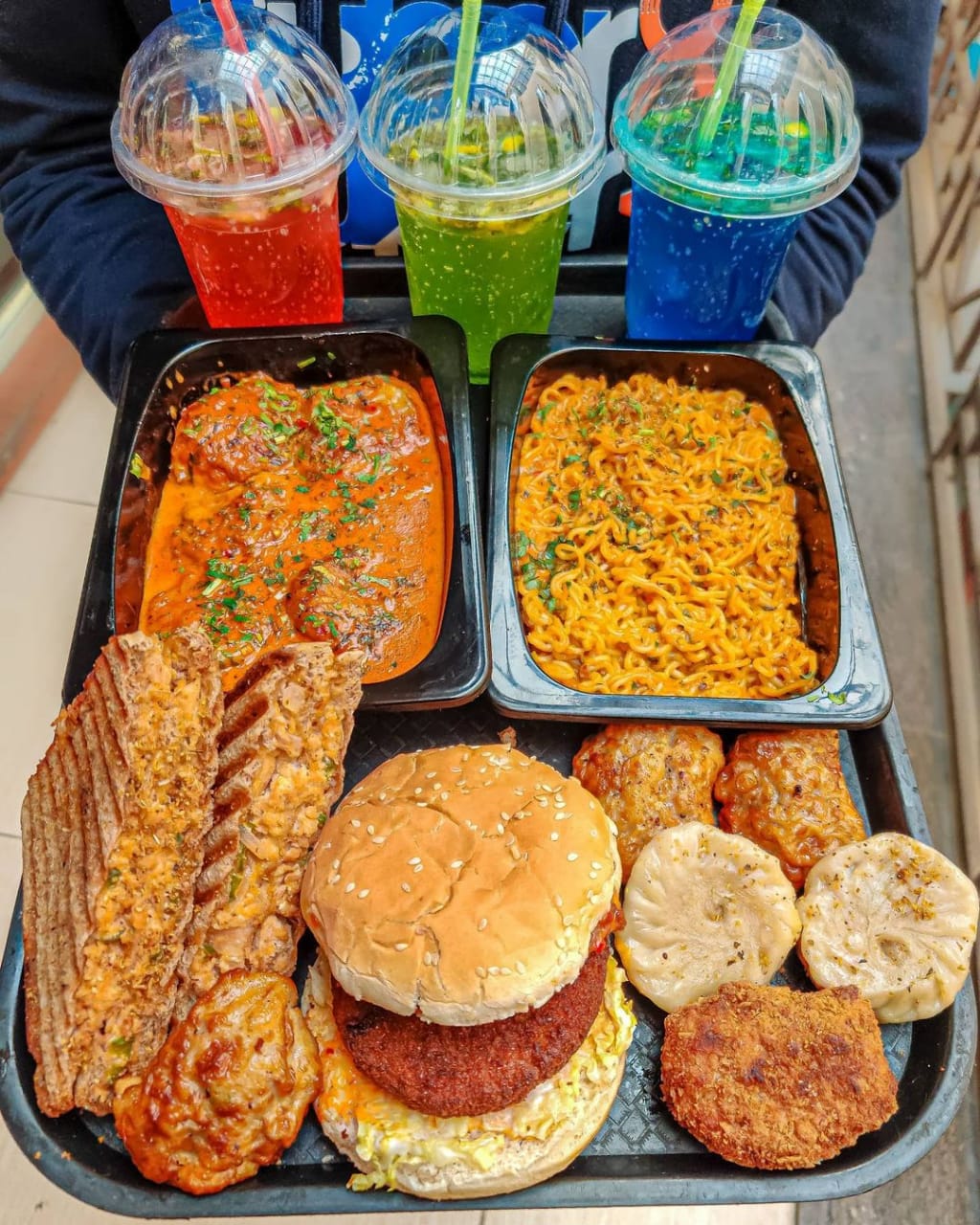
The Indian tourist’s dream of “shopping spree + local flavour” finds its match. From designer brands to local handicrafts, Malaysia offers variety. The food scene as well: mamak stalls, Indian Muslim eateries, fusion Malay-Indian cuisine, plus Chinese and indigenous dishes.

Even more: Indian payment methods, holiday-packages tailored to Indian customers, Bollywood-influenced promotions—they see their own reflection in the marketing, which builds trust.
This isn’t only sightseeing; it’s browsing a mall, buying gifts, discovering that exotic spice aisle you’ll mention back home—“we got chilli-fish at Jalan Alor, near KLCC!”—and that makes memories sticky.

Malaysian Dish
Pauloleong2002CC BY-SA 4.0, via Wikimedia Commons
7. Romance, Honeymoons & Mixed Group Travel

Walk into a beach resort at dusk and see an Indian couple strolling hand-in-hand, the sea gleaming, a private candle-lit dinner on the sand. Malaysia has positioned itself as a honeymoon-destination. The ease of entry, the range of resorts, the adaptability of packages all make it attractive.

But also mixed groups—multi-generational families—can travel together and find something: grandparents sunbathing, kids buffets with Indian food, teens snorkelling or zip-lining. Malaysia combines “group-friendly” with “romantic escape.”
Indian tour-operators increasingly list Malaysia for these reasons.

Malaysia Airlines A380-841
ChannelskingCC BY-SA 3.0, via Wikimedia Commons

8. Connectivity, Direct Flights & Regional Familiarity

The skies linking India and Malaysia have multiplied. Airlines now operate a slew of direct routes from Chennai, Bengaluru, Hyderabad, Kochi to Kuala Lumpur, Penang and Langkawi. One report cited that 240 flights weekly with over 45,000 seats connected India-Malaysia.  

When you get on a flight after work in Mumbai and land in KL before evening, you think: maybe tomorrow we’ll be snorkeling or shopping. That kind of flexibility is gold in holiday planning. The shorter flight times compared to Europe or even some Gulf destinations make Malaysia smart for long weekends and extended weekends alike.

9. Promotional Push, Tailored Marketing for Indian Market

You flick open your smartphone and see ads on Instagram: “Visit Malaysia Year 2026 – for Indian travellers”. You see campaign banners in Chennai and Hyderabad featuring Malay beaches and sun bears. Malaysia’s tourism board is explicitly targeting Indians with curated packages, cultural festivals, shows in India, food-fest pop-ups, and even Indian-language promotions. 

So the destination doesn’t feel abstract—it feels inviting, accessible, designed for you. That matters. Many Indian tourists feel more confident visiting when the communications speak their language, reflect their preferences, feature Indian travellers in the visuals.

10. A Balance of Exploration and Ease

Finally, there’s a subtle emotional dynamic: Indian tourists often seek both discovery and comfort. Malaysia offers rainforest hikes, orang-utan sanctuaries, jungle-trekking retreats in Sabah, island getaways with finn-white beaches—and still good WiFi, comfortable hotels, organised transport, Indian-friendly menus.

It’s a sweet spot: you can push the boundaries (river cruises, diving, street markets) and also relax (spa, resort pool, heritage town cafés). Holiday should restore as much as thrill—and Malaysia seems to read that well.

Conclusion

From stepping onto Kuala Lumpur’s gleaming airport to watching the setting sun on Langkawi’s shoreline, visiting Malaysia as an Indian tourist feels like stepping into a familiar dream turned new. The numbers back it: India-Malaysia tourist volumes are soaring. But beyond statistics lies the story of connection: shared heritage, ease of travel, choice of experiences, and smart destination design.

When Indian travellers pick Malaysia again and again, they pick ease, warmth, variety, and value—but also the feeling that “this is a country built with me in mind.” That sense invites return visits, longer stays, deeper exploration. If you’ve ever stood beneath the rain-forest canopy near Kuching or wandered Kuala Lumpur’s Chinatown as lanterns glow against the night, you already know: Malaysia is more than a holiday spot—it’s a place that understands why you roam, and makes you feel welcome doing it.