.jpg) |
| N509FZ, CC BY-SA 4.0, via Wikimedia Commons |
The first thing you notice when you step onto Tanzanian soil is a warmth that goes beyond climate.
It’s in the way the immigration officer hands back your passport with a small nod, in the laughter drifting from taxi drivers waiting outside, and in the quick “Karibu”—welcome—that follows you everywhere.
Tanzania draws travelers with its vast savannas, turquoise shores, and the rhythm of Swahili hospitality. But like any destination, its beauty walks hand in hand with realistic precautions.
Safety in Tanzania is neither a simple yes nor no—it is a matter of awareness, preparation, and respect for the landscapes and people you encounter.
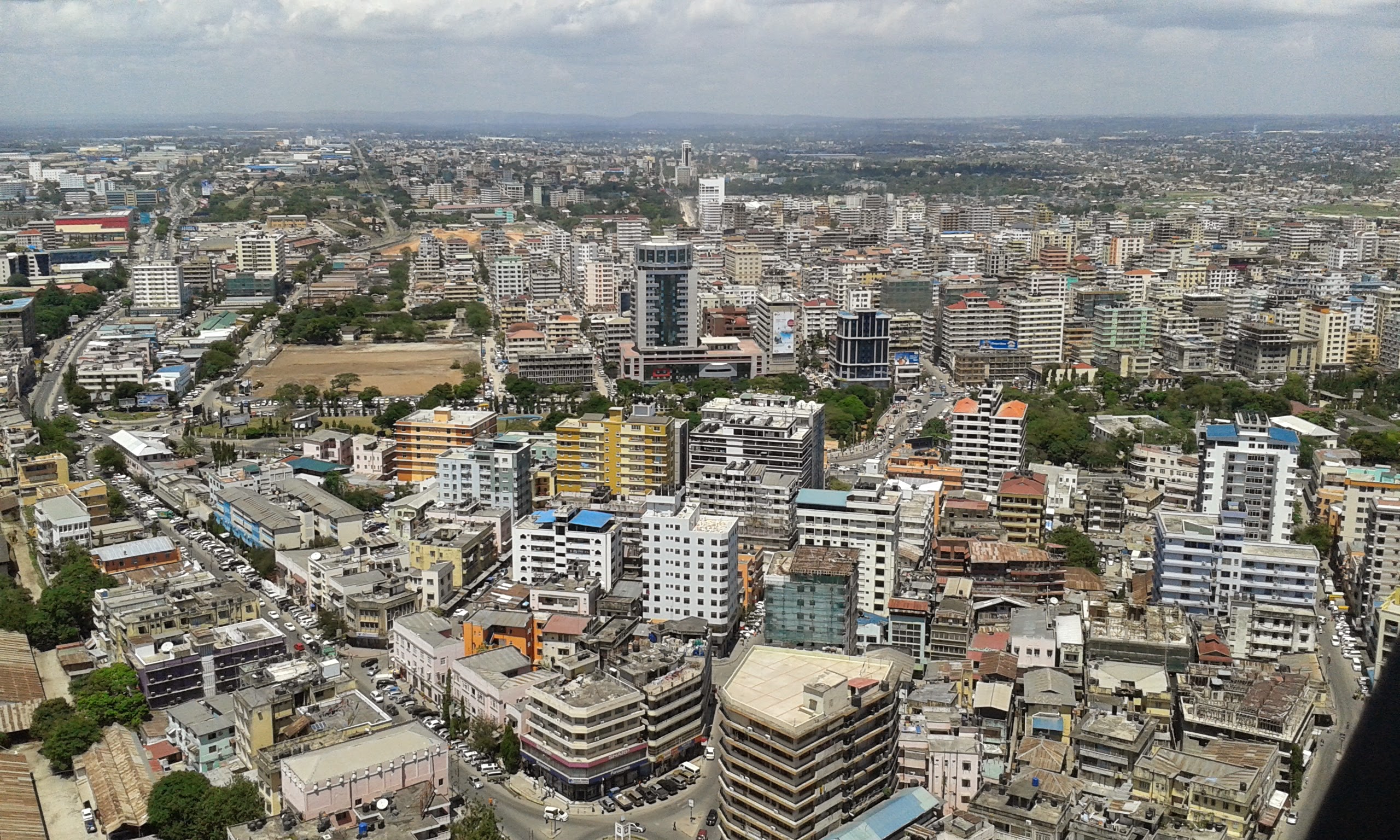 |
| Dar es salaam City Vijay8808, CC BY-SA 4.0, via Wikimedia Commons |
Walking the Streets: Everyday Safety Through a Traveler’s Eyes
Imagine wandering through Stone Town at golden hour. The narrow alleyways glow, the scent of cloves hangs in the air, and vendors arrange their fabrics with sweeping, practiced gestures.
On most days, strolling through Tanzanian towns feels like this—vibrant, textured, and wonderfully alive.
In well-frequented areas like Arusha, Moshi, and parts of Dar es Salaam, travelers often recount feeling comfortable, especially during daylight hours.
 |
| Giraffe in Lake Manyara National Park, Tanzania Fanny Schertzer, CC BY 2.5, via Wikimedia Commons |
Yet, as dusk settles and the crowds thin, the street’s personality changes. A traveler might feel eyes linger a bit longer, a boda boda motorcycle buzz close to the pavement, or a vendor pack away his stall with quick movements. Tanzania is generally safe, but like many developing nations, petty theft can lurk in the quieter corners. A hanging phone becomes an easy target; an unzipped daypack invites curious hands.
Safety here is less about danger and more about common sense. You see it in the locals themselves: the woman who tucks her bag close while boarding a dala dala minibus, the man who walks briskly, avoiding unlit shortcuts. Following their lead offers the most honest safety guide.
On Safari: Where Nature Is Both Gentle and Wild
When you finally roll into the Serengeti, the wind carrying the scent of dry grass, safety takes on a different meaning. Here, threats do not come from people but from the ancient pulse of nature. You watch a lioness stretch beneath an acacia tree, seemingly unfazed by your safari vehicle—but the tension of the wilderness is unmistakable. Guides remind you not to stand up, not to lean out, not to call out to the animals. The rules may feel strict, but they exist because this land is still ruled by instinct and tooth and claw.
In Tanzania’s national parks, safety is about respect. You feel it when the guide pauses to listen to distant hooves, or when he positions the vehicle perfectly between a herd of elephants and their calves. Professional guides carry deep knowledge of animal behavior, weather shifts, and terrain conditions. Following their instructions is not optional—it is essential. In return, Tanzania rewards you with moments so raw and pure that precautions become part of the experience, woven naturally into the rhythm of the safari.
.jpg)
Qatar Airways
Juke Schweizer, CC BY-SA 4.0, via Wikimedia Commons
Juke Schweizer, CC BY-SA 4.0, via Wikimedia Commons
On the Coast: Sunlight, Spice, and Sensible Awareness
Zanzibar, with its white sands and slow tides, radiates tranquility.
You might find yourself walking barefoot along Paje Beach, the surf whispering behind you as kitesurfers dance across the horizon.
Safety concerns here soften—violent crime is rare, and locals often greet travelers with genuine warmth.
Still, island life has its shadows. Beachside touts can be persistent, and leaving valuables unattended invites theft. The same beauty that draws travelers can also bring strong currents, jellyfish in certain seasons, and sun exposure that sneaks up on you. Precautions in coastal Tanzania feel gentle rather than restrictive: drink purified water, secure belongings, avoid isolated beaches at night, respect cultural norms when away from resorts.
Health and Travel Preparedness: The Invisible Side of Safety
While Tanzania’s landscapes paint the visible picture, health precautions shape the invisible foundation of safe travel. The heat settles on you like a second skin, and hydration becomes essential. In mosquito-dense areas—especially after rain—the nighttime hum is a reminder to sleep under nets and carry repellent. Malaria does exist here, but so does prevention: prophylactic medication, protective clothing, and awareness of peak mosquito hours.
Food in Tanzania is flavorful and fresh, but travelers quickly learn to choose meals thoughtfully. A street vendor carefully tending a sizzling grill is usually safer than buffet food left uncovered in the afternoon sun. Bottled or filtered water becomes your most constant companion. These precautions don’t dampen the experience—they sharpen it, helping you savor local flavors with confidence.
Transportation: Moving with Intention
Whether you’re weaving through traffic in Dar es Salaam or driving toward Ngorongoro Crater at dawn, transportation shapes your perception of safety. Tanzanian roads can be lively: boda bodas weaving between cars, buses overtaking on narrow stretches, pedestrians stepping into movement with effortless confidence. Hiring reputable drivers, taking registered taxis, and avoiding nighttime travel between towns transforms the experience from risky to reassuring.
For longer routes, travelers often choose domestic flights. The small aircraft that skim over the plains offer both safety and spectacular views. Trains and ferries also operate nationwide, but schedules can be unpredictable, and equipment varies widely in quality. Again, awareness—not fear—is the key.
Cultural Respect: The Most Underrated Safety Tool
In Tanzania, respect unlocks safety and connection simultaneously. Greeting people with “Mambo?” or “Shikamoo,” dressing modestly in rural or Muslim-majority areas, and seeking permission before photographing individuals all create harmony. Tanzanians value politeness and warmth; mirroring these values often results in generosity, assistance, and protection from local communities.
Cultural respect also smooths interactions with police checkpoints, conservation officers, and border staff. A smile and patience go a long way in Tanzania, perhaps farther than in many other global destinations.
So, Is It Safe to Travel in Tanzania?
The answer unfolds not in a single statement but in the lived experiences of those who cross its plains and wander its coastlines. Tanzania is generally safe for travelers—safer than many assume—but it requires the same awareness and preparation that any responsible journey demands. Your safety grows in proportion to your attentiveness: to your surroundings, your belongings, your health, your guide’s instructions, and the cultural heartbeat of the places you explore.
Tanzania is a country that rewards presence. When you walk its landscapes with intention and respect, you discover that its safety is not merely a condition—it’s an invitation. An invitation to witness wildlife that stirs your soul, to share stories with people whose kindness lingers long after you leave, and to travel in a way that is conscious, connected, and deeply human.

.jpg)


.jpg)
Comments are heartily welcome.
ReplyDelete