Translate

Showing posts with label Lions in India. Show all posts

Tuesday, 5 August 2025

Top Tiger Forests in India: A Guide for Nature Lovers and Tourists


Seemaleena, CC BY-SA 4.0,
via Wikimedia Commons
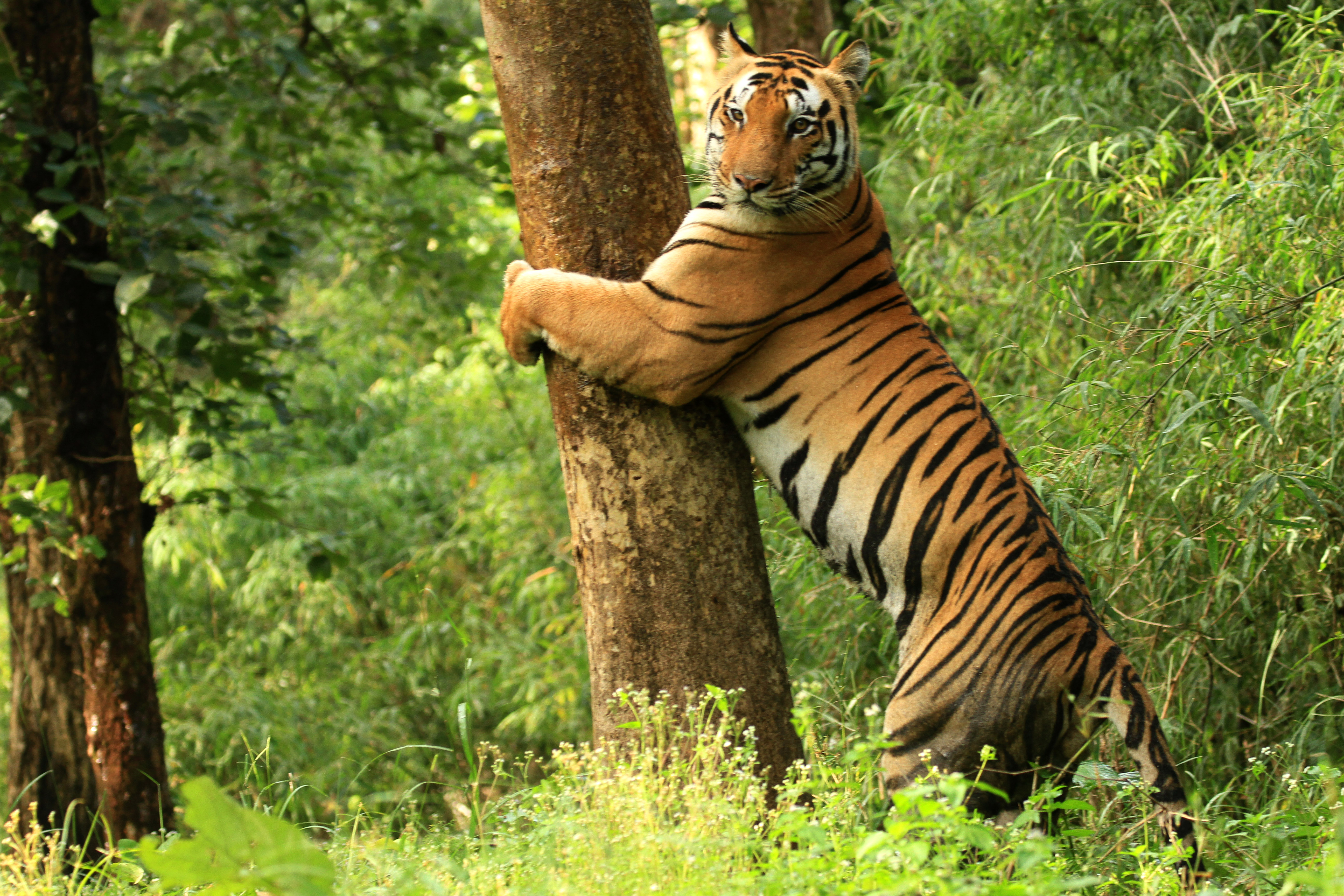
Adult Male, Bengal Tiger
India, the land of mystic forests and sacred rivers, is home to more than 70% of the world’s wild tigers. With a recorded population of over 3,000 tigers, India has emerged as the global leader in tiger conservation. 

These majestic animals roam freely in some of the most breathtaking forest reserves, spanning grasslands, dense jungles, and riverine landscapes. 


The country’s top tiger forests are not only strongholds for tiger populations but also preserve rich biodiversity, tribal culture, and eco-tourism opportunities.

This essay explores the most famous tiger reserves in India: their natural beauty, conservation success stories, incredible flora and fauna, and practical travel information including how to reach them, best visiting seasons, and accommodation options.

1. Bandhavgarh Tiger Reserve, Madhya Pradesh

Nature and Landscape

Prabukumar84, CC BY-SA 4.0,
via Wikimedia Commons
Bandhavgarh National Park


Located in the heart of India, Bandhavgarh National Park is a lush and dramatic forest sprawling over approximately 1,160 square kilometers in Madhya Pradesh. 

Known for having one of the highest densities of Bengal tigers in the world, Bandhavgarh is a paradise for wildlife enthusiasts and nature lovers. 

The landscape is dominated by dense sal and bamboo forests that form thick canopies, offering cover for predators and prey alike. Interspersed with wide, open meadows and undulating grasslands, the park provides ideal conditions for tiger sightings. 

Hilly terrains with sandstone ridges and steep cliffs are punctuated by numerous seasonal streams, which act as natural water sources for the park’s rich fauna. Rising above the forest is the ancient Bandhavgarh Fort, offering not only a glimpse into India’s historical past but also panoramic views of the surrounding wilderness. This diverse topography creates a thriving ecosystem that supports a wide range of flora and fauna.

Tiger Conservation Efforts

Bandhavgarh is known for having one of the highest densities of Bengal tigers in the world. Once home to the famous white tigers of Rewa, the park now boasts dozens of camera-trapped tigers. Protection strategies include 24/7 patrolling, forest surveillance teams, radio collars for tracking, and partnerships with local communities to reduce human-wildlife conflict.

Flora and Fauna

Apart from tigers, Bandhavgarh shelters leopards, sloth bears, Indian gaurs, barking deer, and wild boars. The park is also rich in avifauna with over 250 bird species including vultures, flycatchers, owls, and peacocks. The flora includes sal, dhak, tendu, and various medicinal plants.

Best Time to Visit

The park remains open from October to June. Summer (April–June) provides the best chance to spot tigers near water bodies. Winters (November–February) are ideal for birdwatching and jungle treks.

How to Reach

  • By Air: The nearest airports are Jabalpur (160 km) and Khajuraho (250 km).

  • By Rail: Umaria is the closest railway station (32 km).

  • By Road: Connected to cities like Jabalpur, Katni, and Satna by road.

Accommodation

You can find a wide range of stays—from budget lodges and jungle camps to luxury eco-resorts near Tala Gate. Many resorts offer in-house naturalists, guided safaris, and local village visits.

2. Ranthambore Tiger Reserve, Rajasthan

Nature and Landscape

Harsh.kabra.98, CC BY-SA 4.0, via Wikimedia Commons
The picture was shot on
zone 3 of Ranthambore tiger reserve.
Located near the town of Sawai Madhopur, Ranthambore is one of India’s most iconic tiger forests. 

The park’s rugged terrain features rocky ridges, lakes, dry deciduous forest, and the majestic Ranthambore Fort towering over the forest canopy. 

The scenic Padam Talao lake is especially famous for tiger sightings.

Tiger Conservation Efforts

Ranthambore has seen impressive tiger recovery thanks to strict protection measures. It now hosts around 50+ tigers including the world-famous tigress Machli, whose lineage still roams here. Anti-poaching units, drone monitoring, and controlled tourism have helped stabilize the population.

If any tourists need any help, here is the official website of the Government of India to guide the domestic and foreign tourists: India Tourism Development Corporation (ITDC)

Flora and Fauna

The forest is dry and deciduous, dominated by dhok trees. Wildlife includes leopards, striped hyenas, marsh crocodiles, chinkaras, and a wide variety of birds like serpent eagles, vultures, and treepies.

Best Time to Visit

The reserve is open from October to June, with peak tiger sightings during the dry summer months. Safari slots fill quickly during holidays, so booking in advance is advised.

How to Reach

  • By Air: Jaipur Airport (180 km) is the nearest major airport.

  • By Rail: Sawai Madhopur station is just 11 km from the park.

  • By Road: Well-connected to Delhi, Jaipur, and Kota.

Accommodation

Ranthambore offers everything from budget guesthouses and government rest houses to luxury tents and heritage hotels. Many resorts incorporate Rajasthani art and provide wildlife documentary screenings in the evenings.

3. Kanha Tiger Reserve, Madhya Pradesh

Nature and Landscape

Suhrud92, CC BY-SA 4.0, via Wikimedia Commons 
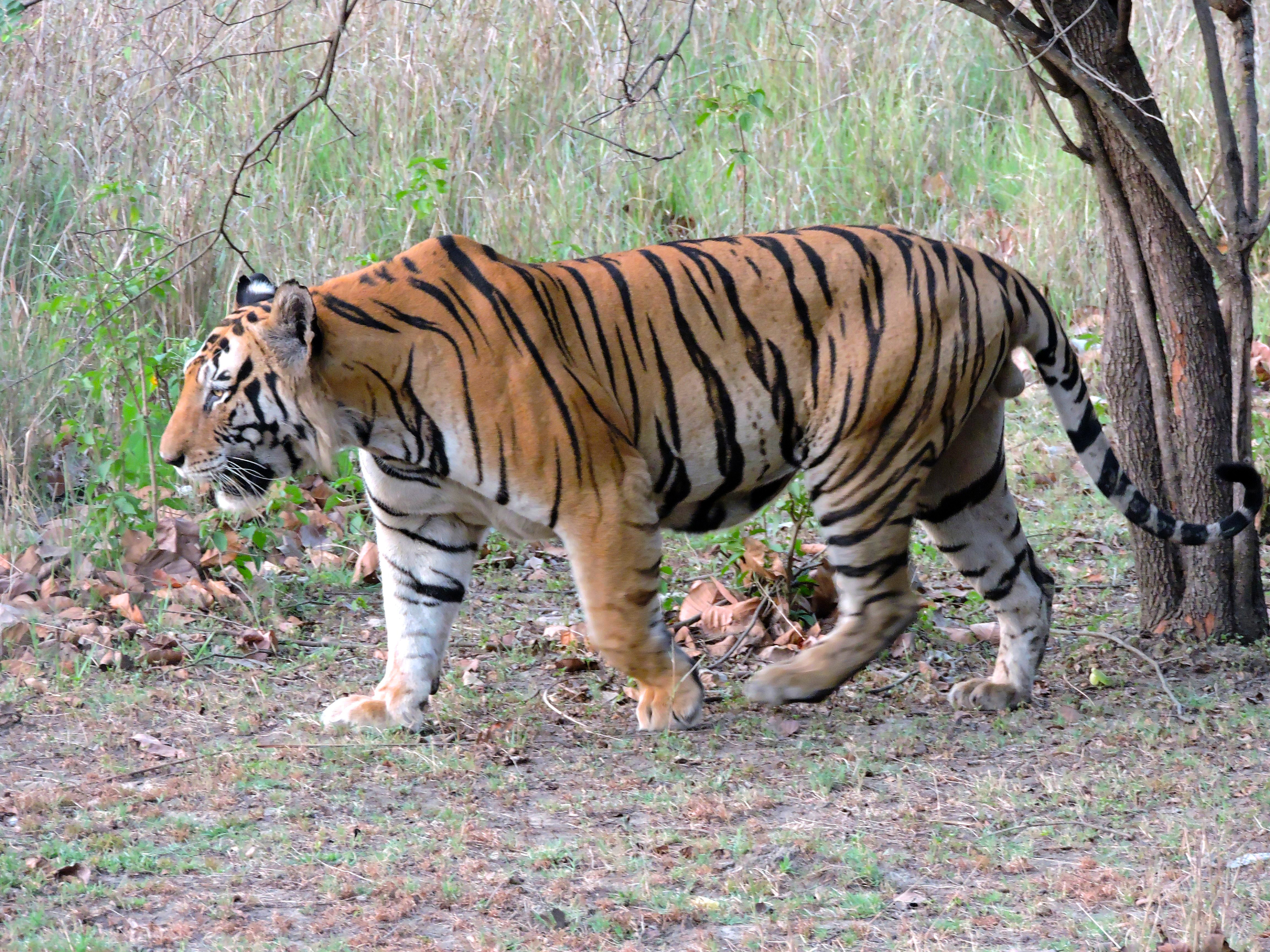
Most Beautiful Tigress of Kanha
Sprawled across Mandla and Balaghat districts, Kanha is a mesmerizing mix of thick sal forests, rolling meadows, and pristine streams. 

It inspired Rudyard Kipling’s “The Jungle Book”. The central Kisli and Mukki zones offer the best safari routes.

Tiger Conservation Efforts

Kanha is a flagship reserve under Project Tiger. It was the first reserve to successfully reintroduce the hard ground barasingha (swamp deer), which was once on the brink of extinction. Tiger monitoring, habitat enrichment, and local tribal participation are hallmarks of its conservation strategy.

Flora and Fauna

Apart from tigers, Kanha is home to Indian leopards, dholes (wild dogs), sloth bears, jackals, and barasinghas. The forest has over 200 flowering plant species, sal trees, bamboo, and medicinal herbs. Bird species include hornbills, parakeets, and jungle fowl.

Best Time to Visit

Kanha is open from October to June. The best time for tiger sightings is during summer, but winter months are good for overall wildlife and forest beauty.

How to Reach

  • By Air: Jabalpur (160 km) and Raipur (250 km) are the closest airports.

  • By Rail: Gondia and Jabalpur stations are most convenient.

  • By Road: Roads from Nagpur, Raipur, and Jabalpur offer good connectivity.

Accommodation

You’ll find forest rest houses, jungle lodges, and high-end safari resorts with naturalists. Staying near Kisli or Mukki gate is ideal for early morning safari access.

4. Jim Corbett Tiger Reserve, Uttarakhand

Nature and Landscape
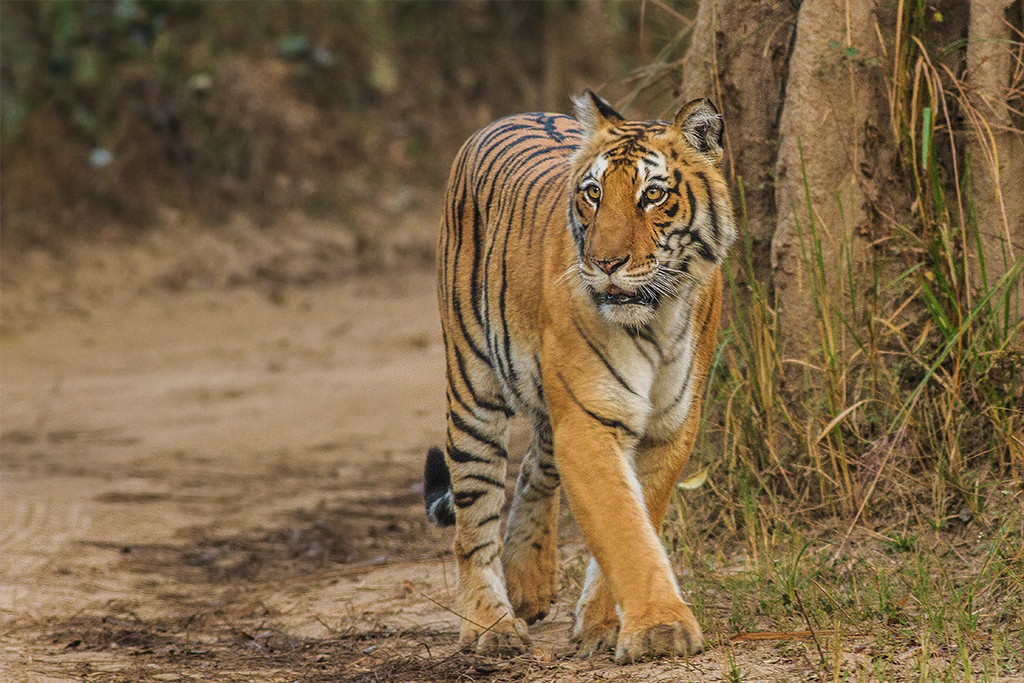
Soumyajit Nandy, CC BY-SA 3.0, via Wikimedia Commons
Tigress walking on
the gypsy track in Bijrani zone.
Nestled at the Himalayan foothills, Corbett is India’s oldest national park and one of its most diverse. 

It has riverine belts, sal forests, grasslands, and hills. 

The Ramganga River flows through the park, attracting an abundance of wildlife.

Tiger Conservation Efforts

Jim Corbett is a pioneer of tiger conservation in India. It has over 260 tigers. The forest department runs a well-organized tourist program to limit interference with wildlife, with regulated zones, trained guides, and anti-poaching patrols.

Flora and Fauna

Rishisharmacse, CC BY-SA 4.0, via Wikimedia Commons
A nice morning with asia's
most beautiful creature "The Elephants"
Corbett’s biodiversity includes leopards, elephants, gharials, deer, otters, and hundreds of bird species like crested serpent eagles, hornbills, and kingfishers. 

The forest is rich in sal, chir pine, bamboo, and fig trees.

Best Time to Visit

The park is open from November to June, with Dhikala zone being the most popular. Winters offer clear visibility, while summers offer better chances for tiger sightings.

How to Reach

  • By Air: Nearest airport is Pantnagar (80 km).

  • By Rail: Ramnagar station is just 12 km from the entrance.

  • By Road: Easily reachable from Delhi (250 km) and Dehradun.

Accommodation

Options range from forest rest houses inside the park (like Dhikala) to luxury riverside resorts and eco-lodges in Ramnagar. Booking Corbett’s internal rest houses must be done months in advance.

5. Tadoba-Andhari Tiger Reserve, Maharashtra

Nature and Landscape


Ajinkya Vishwekar, CC BY-SA 4.0, via Wikimedia Commons
The mother tigress Sonam & her three cubs
in the Tadoba Andhaari Tiger Reserve, India
Tadoba is one of the oldest and best-managed tiger reserves in central India. 

It’s a mixture of hilly terrains, bamboo thickets, and teak forests. 

The Tadoba Lake and Andhari River provide critical water sources for wildlife.

Tiger Conservation Efforts

Tadoba has gained attention for frequent tiger sightings and its successful tiger population growth. The reserve uses camera traps, patrol routes, and village relocation schemes to reduce pressure on the core zone.

Flora and Fauna

Tadoba houses a wide range of mammals like Indian bison (gaur), leopards, sloth bears, civets, and marsh crocodiles. The forest contains teak, mahua, crocodile bark trees, and flame of the forest. Birdwatchers often spot grey-headed fish eagles and paradise flycatchers.

Best Time to Visit

Open from October to June, with April to June being best for tiger photography. Tuesdays are typically closed for tourism activities.

How to Reach

  • By Air: Nagpur Airport is 140 km away.

  • By Rail: Chandrapur railway station is 45 km away.

  • By Road: Good roads connect Tadoba to Nagpur and Chandrapur.

Accommodation

Buffer zones like Moharli and Kolara offer many resorts and homestays. Some campsites offer walking trails, tribal dance evenings, and local food experiences.

6. Kaziranga National Park, Assam

Nature and Landscape

Kritartha05, CC BY 4.0, via Wikimedia Commons
Photo of one horn rhino
Kaziranga is known for its unique mix of tall elephant grasslands, marshes, and tropical forests. Located along the floodplains of the Brahmaputra River, the terrain is flat but extremely biodiverse.

Tiger Conservation Efforts

Though famous for one-horned rhinos, Kaziranga is also a major tiger reserve. It has one of the highest tiger densities in the world. Flood management, habitat zoning, and local eco-development have helped it thrive as a model conservation park.

Flora and Fauna

In addition to tigers, Kaziranga is home to elephants, swamp deer, wild boars, and the endangered wild water buffalo. Bird species include pelicans, storks, hornbills, and fishing eagles. The flora consists of grasslands, aquatic vegetation, and tropical moist forests.

Best Time to Visit

The park is open from November to April. Floods make the park inaccessible during monsoon (June–September).

How to Reach

  • By Air: Jorhat (96 km) and Guwahati (200 km) are the nearest airports.

  • By Rail: Furkating is the nearest station (80 km).

  • By Road: Well-connected to Guwahati and Tezpur by highway.

Accommodation

Forest lodges, heritage resorts, and Assamese-style cottages are available near Kohora and Bagori ranges. Some offer river cruises and cultural tours.

Other Notable Tiger Forests in India

Nagarhole and Bandipur (Karnataka)

These two interconnected parks in the Western Ghats form one of India’s richest tiger landscapes. Known for elephants, wild dogs, and lush forests.

Mudumalai (Tamil Nadu)

Located near the Nilgiris, this forest reserve is part of the same corridor as Bandipur and is rich in tigers, elephants, and over 200 bird species.

Sariska (Rajasthan)

After losing all its tigers in the early 2000s, Sariska has seen successful tiger reintroduction. It's one of the few parks close to Delhi for weekend safaris.

Conclusion: A Journey into India’s Wild Heart

India’s tiger forests are not just wildlife destinations—they are living examples of ecological balance, community engagement, and conservation leadership. From the grasslands of Kaziranga to the rocky escarpments of Ranthambore, these forests invite tourists to witness the tiger’s realm while supporting sustainable travel. Whether you are a photographer, bird lover, or nature enthusiast, the tiger forests of India offer the most thrilling and soul-stirring experiences in the natural world.

Make sure to choose the best season, book in advance, respect park rules, and support eco-conscious lodges. A tiger forest tour in India is more than a safari—it’s a journey into the wild heart of India.

Thursday, 13 October 2022

India: Wildlife, Bird Sanctuaries, Reserve Forest For Tigers, Lions and Deer

Kritartha05, CC BY 4.0, via Wikimedia Commons
Photo of one horn rhino
Kaziranga National Park

India’s wild places are an extraordinary mosaic of ecosystems: misty Himalayan foothills, dry deciduous forests, dense mangroves, and sprawling wetlands. These habitats host an astonishing range of species — from the Bengal tiger and Asiatic lion to swamp deer and migratory waterfowl. 

Here we will explore some of India’s most iconic wildlife reserves and bird sanctuaries, focusing on tiger reserves, lion habitats, and deer-rich forests. 

Each featured reserve is presented with a detailed, 200+ word narrative that covers its ecology, key species, conservation significance, visitor tips, and why it matters for India’s biodiversity and for wildlife-based tourism.

Why India’s Reserves Matter (Introduction)

India is home to more than 70 protected areas designated as tiger reserves under Project Tiger, dozens of national parks, and numerous bird sanctuaries and deer habitats. These protected areas conserve both charismatic megafauna and lesser-known, equally important species. They are also cultural landscapes — many have centuries of human history interwoven with the forest. 

Conserving these parks helps protect watershed health, livelihoods of local communities, and ecosystems that capture carbon and regulate climate. For travelers, these reserves offer extraordinary wildlife encounters, inspiring photography, and opportunities to learn about conservation on the ground.

If any tourists need any help, here is the official website of the Government of India to guide the domestic and foreign tourists: India Tourism Development Corporation (ITDC)

1. Jim Corbett National Park (Tiger Reserve) — Uttarakhand 

Happy Peackock in Jim Corbett National Park
Nandan, CC BY-SA 4.0,
via Wikimedia Commons
Dancing peackock in Jim Corbett

Jim Corbett National Park is widely celebrated as India’s first national park and the birthplace of Project Tiger. 

Nestled in the lower Himalayas of Uttarakhand, it combines riverine belts, sal forests, grasslands, and rocky hills to form a diverse mosaic that supports high densities of prey species and tigers. 

The park is named after the hunter-turned-conservationist Jim Corbett, whose early 20th-century campaigns to curb man-eating tiger incidents helped shape modern wildlife management in India.

What sets Corbett apart is its mix of accessible terrain and rich biodiversity. Corbett’s topography—cut by the meandering Kosi and Ramganga rivers—creates permanent water sources that attract a range of wildlife: elephants, leopards, sambar and spotted deer, Himalayan black bear, and myriad bird species including migratory waterfowl. Tigers here are known to use streamside thickets and riverine clearings for hunting, and photographers prize the park’s combination of open spaces and dense cover for dramatic sightings.

Corbett is divided into several safari zones, each with its own character. The Dhikala zone is the most famous, offering expansive grasslands framed by hills and a high concentration of wildlife. Effective park management combines regulated jeep safaris, elephant rides in certain blocks, and habitat restoration programs. Local communities participate in eco-development projects to reduce dependency on forest resources, an approach critical for long-term coexistence.

For visitors, early-morning and late-afternoon safaris maximize wildlife viewing. Accommodation ranges from forest lodges to eco-resorts, and guided treks and birdwatching walks are available. As a conservation success story and an accessible wildlife destination near Delhi and the Gangetic plains, Jim Corbett remains a must-visit for anyone interested in tigers and forest ecosystems. 

2. Ranthambore National Park (Tiger Reserve) — Rajasthan 

Harsh.kabra.98, CC BY-SA 4.0, via Wikimedia Commons
The picture was shot on
zone 3 of Ranthambore tiger reserve.

Ranthambore National Park combines rugged Aravalli-Vindhya uplands, a rugged granite outcrop topped by an ancient fort, and dry deciduous forests—an unexpected tiger stronghold in the drier landscapes of Rajasthan.

Once the royal hunting grounds of Jaipur’s maharajas, Ranthambore’s open terrain and scattered lakes make it one of the most photogenic and accessible tiger reserves in northern India.

The park’s defining image is the tiger lounging near seasonal lakes, framed by spiky khejri trees and the silhouette of Ranthambore Fort. Tigers here have adapted to a landscape where visibility is high, so sightings are often dramatic and close-range. Besides tigers, Ranthambore supports leopards, striped hyenas, sloth bears, nilgai (blue bull), chital (spotted deer), and a wide bird list that includes raptors and migratory waterbirds drawn to the park’s waterholes.

Ranthambore’s conservation story includes a transition from hunting reserve to protected park, and today it is managed to balance ecotourism and habitat needs. Safari permits are tightly controlled, and the zone system allows managers to direct tourist traffic away from sensitive breeding and feeding grounds during critical periods. Photographers and wildlife lovers are drawn to Ranthambore for its dramatic light and the chance to see tigers in relatively open country, which often yields memorable portraits and behavioral observations.

For practical travelers, the park is close to Sawai Madhopur railhead and is easily combined with Rajasthan’s cultural circuits. Ranthambore is busiest in the cooler months (October–March), with the dry winter season concentrating animals around remaining water. Whether you’re a photography enthusiast or ecosystem-minded traveler, Ranthambore offers a compelling dose of wildlife and history in one visit. 

3. Bandhavgarh National Park (Tiger Reserve) — Madhya Pradesh 

Prabukumar84, CC BY-SA 4.0,
via Wikimedia Commons
Bandhavgarh National Park


Bandhavgarh National Park is famed for its exceptionally high tiger density and dramatic limestone ridges etched with ancient caves and forts. 

Located in the Vindhya Hills of Madhya Pradesh, Bandhavgarh mixes dense sal forests with grassland clearings, creating productive habitats that support a robust prey base of chital, sambar, and nilgai — the foundation for its thriving tiger population.

The park’s name derives from a mythic “Bandhav” (brother) connection to the epic Ramayana, and Bandhavgarh Fort, perched above the park, hints at centuries of human history. Visitors often combine cultural exploration of the fort with wildlife safaris. But it’s the tigers that capture imaginations: Bandhavgarh is one of India’s best places to observe tigers in rugged, forested terrain where they display natural behaviors—territorial marking, courtship, and hunting.

Conservation here hinges on maintaining prey density, limiting disturbance, and preventing human-wildlife conflict in surrounding villages. Anti-poaching units and scientific monitoring have improved population estimates and informed adaptive management. Bandhavgarh’s accessibility from Jabalpur and Umaria, paired with quality safari experiences in core zones, makes it a popular destination for serious wildlife watchers seeking repeatable tiger sightings.

For photographers and naturalists, Bandhavgarh’s mix of terrain and rich predator-prey dynamics offers opportunities to see subtle behavioral ecology at work. The park also supports diverse birdlife, reptiles, and smaller mammals, making it a well-rounded destination for anyone interested in Central India’s forest ecosystems. 

4. Kanha National Park (Tiger Reserve) — Madhya Pradesh 

Tiger in Kanha Tiger Reserve
Davidvraju, CC BY-SA 4.0, via Wikimedia Commons

Kanha National Park is a model of large-landscape conservation and the inspiration behind Rudyard Kipling’s The Jungle Book. 

Kanha’s mosaic of sal and bamboo forests, sweeping grasslands (“meadows” or maidans), and riverine corridors support an extraordinary assemblage of species, including the hard-ground barasingha (swamp deer) — a conservation success story for which Kanha is famous.

Kanha’s grasslands are vital for deer species that, in turn, sustain predators like tigers and leopards. The park’s long-term habitat management, including controlled burns and meadow restoration, has helped revive barasingha populations after sharp declines in the mid-20th century. Today, Kanha stands out as an example of how targeted interventions — from species-specific recovery plans to corridor protection — can restore ecological balance.

Tigers in Kanha use dense bamboo thickets for cover, stalking prey across the open meadows. The park is also notable for its cultural landscape: tribal communities, traditional grazing regimes, and historic cattle tracks have shaped the ecology. Effective conservation here requires integrating local livelihoods with protection measures to reduce grazing pressure in core zones while providing alternative income streams through ecotourism.

For visitors, Kanha delivers scenic safaris where grasslands reveal herds of deer and gaurs, and forest edges harbor elusive leopards and sloth bears. The best months are winter through early spring when visibility is good and wildlife congregates at water. Kanha’s successful barasingha program, varied habitats, and conservation focus make it a compelling stop for anyone interested in species recovery and grassland ecology. 

5. Kaziranga National Park (Rhinos, Tigers, Deer; World Heritage Site) — Assam 

Diganta Talukdar, CC BY-SA 4.0,
 via Wikimedia Commons

Rhinos in Kaziranga National Park

Kaziranga National Park, a UNESCO World Heritage Site in Assam, is iconic for its dense population of the Great One-horned Rhinoceros — roughly two-thirds of the world’s population — as well as for significant populations of tigers, Asian elephants, wild water buffalo, and several deer species. 

Spanning floodplain grasslands, tall elephant grass, and riverine forests braided by the mighty Brahmaputra, Kaziranga supports high densities of large herbivores and their predators.

Seasonal flooding shapes Kaziranga’s ecology: monsoon swells inundate wide swathes, pushing animals to higher ground and reshaping habitat mosaics. These natural cycles sustain nutrient-rich grasslands but also require adaptive management to protect animals and local people during high-water events. The park’s success in rhino conservation — achieved through stringent anti-poaching measures and community engagement — is a global conservation story, but Kaziranga’s achievements extend to tiger conservation as well, with increasing tiger counts and improved habitat protection.

Kaziranga is also a hotspot for deer species such as swamp deer (barasingha) and hog deer, which thrive in the park’s wet grasslands. Birdlife is prodigious, with migratory species arriving in winter and resident waterbirds using the wetlands. For visitors, jeep and elephant safaris are popular ways to cover the park’s diverse sectors; the dense grass and water-logged landscape make sightings intimate and dramatic.

Conservation at Kaziranga balances anti-poaching vigilance, scientific monitoring, and local livelihoods. The park’s achievements demonstrate how landscape-scale protection, backed by political will and community outreach, can secure populations of several globally threatened large mammals. A visit to Kaziranga is both an emotional encounter with megafauna and a lesson in floodplain ecology and protection. 

6. Sundarbans National Park (Mangrove Tigers) — West Bengal 

The Sundarbans is an unparalleled mangrove wilderness where tidal rhythms sculpt a landscape of islands, estuaries, and thorny mangrove creeks. This UNESCO World Heritage Site spans India and Bangladesh and represents one of the largest contiguous mangrove forests on Earth. The Bengal tiger that lives here is specially adapted to a saline, tidal life — often swimming between islands, hunting deer, monkeys, and fish, and navigating a labyrinth of channels.

Sundarbans’ ecological uniqueness — salt-tolerant plant communities, estuarine productivity, and seasonal tidal inundation — supports not just tigers but a suite of species: saltwater crocodiles, river terrapins, estuarine fish, and a rich assemblage of resident and migratory birds. The dynamic landscape presents special conservation challenges: climate change-driven sea-level rise, increasing storm intensity, and salinity changes threaten habitats and human settlements. Human-wildlife conflict is another key issue, arising as local communities rely on fishing, honey-gathering, and small-scale agriculture.

Conservation strategies focus on community-based management, alternative livelihoods, and establishing buffer zones that reduce direct encounters with tigers while sustaining human well-being. For travelers, Sundarbans tours — usually boat-based — offer a different kind of wildlife experience: quiet creeks, mangrove silhouettes, and the rare possibility of spotting a tiger along a riverbank. The Sundarbans is a reminder that tiger conservation in India is not only about dry forests and meadows but also about protecting fragile coastal ecosystems where people and wildlife are tightly coupled. 

7. Gir National Park (Asiatic Lion Reserve) — Gujarat 

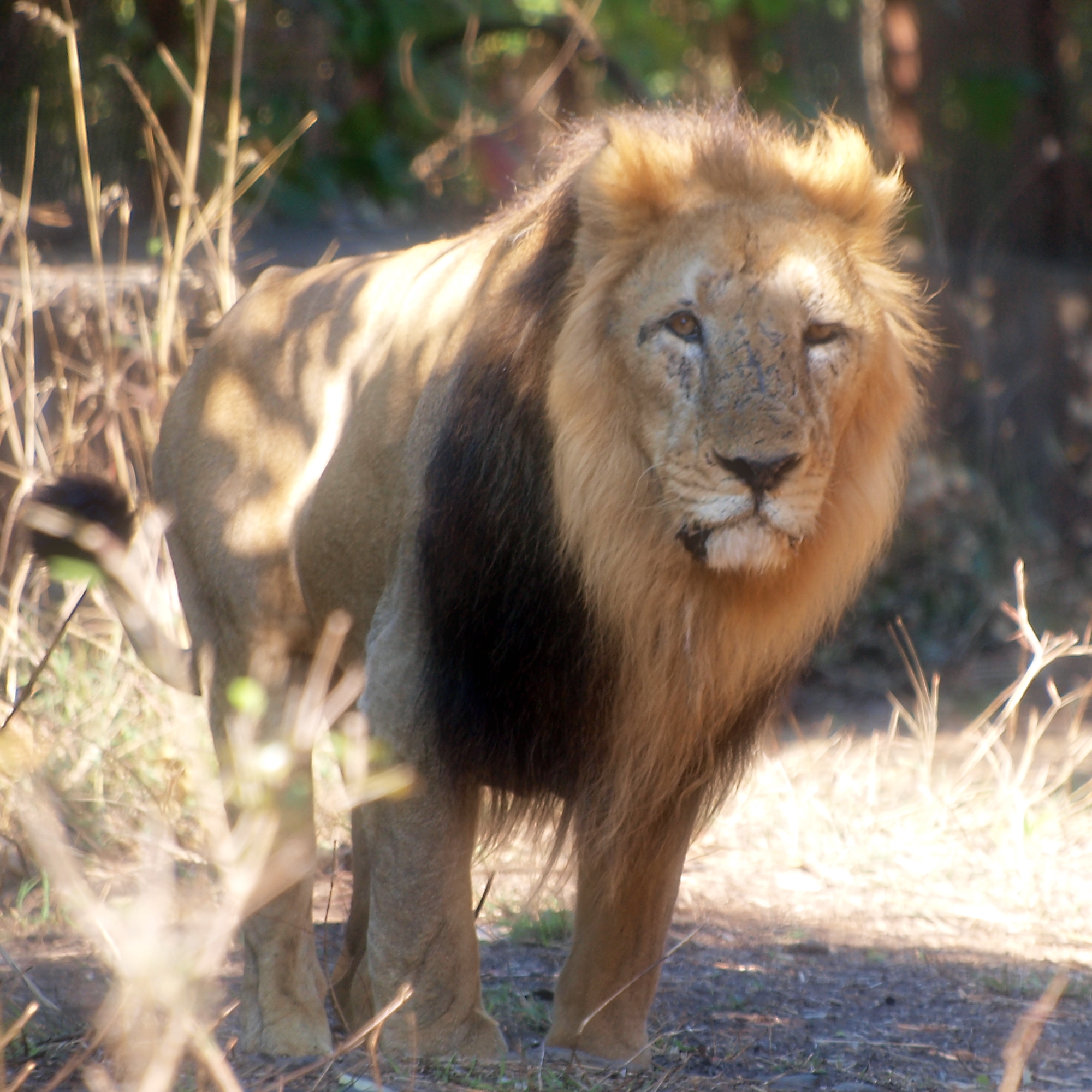
Indian lion male at Gir National Park
Shanthanu Bhardwaj, CC BY-SA 2.0, via Wikimedia Commons

Gir National Park and Wildlife Sanctuary is the last refuge of the Asiatic lion (Panthera leo persica) in the wild. Located in Gujarat’s dry deciduous plains and scrub forests, Gir supports the only free-ranging population of Asiatic lions outside Africa. 

The park’s lions are a unique subspecies with distinctive morphology and social behavior, adapted to a semi-arid environment where open scrub and forested pockets provide cover and wild prey like chital and sambar.

Gir’s conservation journey is remarkable. From a precariously small population in the early 20th century, community-based protection measures, hunting bans, and habitat management have facilitated a steady recovery. The park now faces new management challenges: ensuring genetic health, creating safe corridor linkages to reduce inbreeding risks, mitigating livestock-lion conflict in fringe areas, and preparing for disease or stochastic events that could threaten a geographically concentrated population.

Beyond lions, Gir supports a rich fauna of herbivores and birds, and its human-cultural landscape features pastoral communities with longstanding ties to the forest. Ecotourism in Gir is carefully regulated: morning and evening safaris are the norm, and stringent rules seek to minimize disturbance. For many visitors, the chance to see lions in their only Asian stronghold is a once-in-a-lifetime experience — and the park’s conservation success makes that experience especially meaningful. Continued efforts to decentralize populations through translocations and corridor protection remain key for the long-term survival of the Asiatic lion. 

8. Sariska Tiger Reserve (Aravalli Range) — Rajasthan 

Sariska Tiger Reserve in the Aravalli Hills is an example of landscape restoration and recovery in a human-dominated region. Once a hunting preserve for Rajasthan royalty, Sariska became a wildlife sanctuary and later a tiger reserve. In the early 2000s the reserve suffered a catastrophic decline in its tiger population due to poaching and habitat pressures; however, sustained conservation interventions—including anti-poaching patrols, relocation of villages from the core, and habitat management—led to a successful tiger reintroduction program.

Sariska’s dry deciduous forests, rocky outcrops, and scrub-tea landscapes host chital, nilgai, sambar, and other prey species that support apex predators. The reserve’s proximity to urban centers like Alwar and Gurgaon makes it an important green island in a region under rapid development. This proximity also forces park authorities to work closely with local communities to manage grazing, water use, and edge effects.

For visitors, Sariska offers not only wildlife viewing but also opportunities to explore Rajput history — the Kankwari Fort and Bhangarh nearby add cultural layers to a nature trip. Conservation lessons here are practical: restoring a depleted tiger population requires coordinated law enforcement, habitat improvement, and social buy-in. Sariska’s recovery demonstrates that even relatively small reserves, when managed effectively, can reclaim their ecological function and once again host apex predators. 

9. Periyar Tiger Reserve (Elephants, Tigers, Deer) — Kerala 

Periyar Tiger Reserve rests in the Western Ghats, one of the world’s biodiversity hotspots. Centered on the scenic Periyar Lake and surrounded by tropical evergreen and moist deciduous forest, Periyar protects a wide range of species: Asian elephants, Bengal tigers, gaurs, sambar, and many endemic birds and plants. The reserve’s patchwork of habitats, from dense forest to grassland edges and riparian corridors, supports both large mammals and an impressive array of birdlife.

Periyar is a model for combining wildlife protection with community-based ecotourism. Boat safaris on Periyar Lake allow low-impact wildlife observation, bringing visitors close to grazing elephants and foraging deer on the shoreline. The park’s management has earned praise for involving local communities in ecotourism enterprises—helping generate livelihoods that align with conservation objectives while reducing pressures such as illegal grazing and fuelwood extraction in critical zones.

The Western Ghats context gives Periyar added significance: it contributes to regional connectivity, water security, and endemic species protection. Activities such as guided nature walks, traditional village interactions, and boat trips give visitors varied ways to experience the reserve’s rich biodiversity. Periyar’s experience shows that tropical forest conservation benefits from integrating science, tourism, and local participation to achieve sustainable outcomes. 

10. Keoladeo (Bharatpur) Bird Sanctuary — Rajasthan 

Keoladeo National Park, also known as Bharatpur Bird Sanctuary, is one of India’s premier birding sites and a UNESCO World Heritage Site. This managed wetland, historically a royal hunting ground turned bird reserve, hosts hundreds of resident and migratory species. During winter months, thousands of waterfowl, waders, and raptors arrive from far-off breeding grounds in Siberia and Central Asia, creating a spectacular avian congregation.

Keoladeo’s network of shallow pools, islands, and reedbeds was historically managed through controlled flooding and water-level manipulation—an approach that continues to support diverse foraging habitats. Notable winter visitors include the Siberian crane historically (now rare), greater flamingo, several species of geese and ducks, and a rich complement of waders and passerines. Resident species include egrets, herons, and kingfishers, while raptors patrol the skies.

Apart from its international ornithological importance, Keoladeo illustrates how small, managed wetlands can deliver outsized conservation value. The sanctuary supports local livelihoods through guided birdwatching, nature interpretation, and homestays, connecting biodiversity conservation with socio-economic benefits. For birders and photographers, the park’s boardwalks and cycle trails provide intimate access to birdlife without excessive disturbance. Keoladeo’s seasonal spectacle is a powerful reminder of the importance of wetlands for migratory connectivity and species survival. 

Practical Tips for Responsible Wildlife Travel in India

  1. Choose Licensed Guides and Operators: A knowledgeable local guide improves sightings and ensures compliance with park rules.

  2. Respect Park Rules: Stay in vehicles where required, maintain quiet, and avoid flash photography during sensitive moments.

  3. Support Community-Based Tourism: Prefer lodges and services that employ local people and contribute to conservation funds.

  4. Visit in the Right Season: Winter and early spring often provide the best wildlife viewing for many reserves, while monsoon months bring dramatic landscapes but limited access.

  5. Minimize Waste and Disturbance: Carry reusable water bottles, avoid single-use plastics, and keep a respectful distance from animals.

Conservation Challenges & The Way Forward

India’s protected areas face complex threats: poaching, habitat fragmentation, infrastructure development, climate change, and human-wildlife conflict. Strengthening ecological corridors, investing in anti-poaching capacity, expanding scientific monitoring, and embedding local communities in conservation economies are critical priorities. Tourism can help fund protection when it’s low-impact and driven by local benefits, but it must be carefully managed to avoid degrading the very places visitors come to see.

Project Tiger and related initiatives have shown that political will and scientific management can reverse declines in flagship species. Yet long-term success requires landscape thinking: protecting isolated reserves is not enough unless connectivity, water regimes, and livelihoods across broader regions are addressed.

Conclusion

India’s wildlife reserves, bird sanctuaries, and deer habitats present a tapestry of life that ranges from the tiger-ruled forests of Central India to the mangrove islands of the Sundarbans and the wetland highways of Keoladeo. These places protect species of global significance — the Bengal tiger, Asiatic lion, greater one-horned rhino, and countless migratory birds — and they provide living laboratories for conservation practice. For travelers, each reserve is an invitation to witness nature’s resilience and to participate, responsibly, in a shared future for wildlife and people.

Thursday, 4 February 2021

Indian Wild Life: Jim Corbett National Park

Introduction: A Sanctuary Born from Legacy

Happy Peackock in Jim Corbett National Park
Nandan, CC BY-SA 4.0,
via Wikimedia Commons
Dancing peackock in Jim Corbett

Nestled in the sub-Himalayan belt of the Indian state of Uttarakhand, Jim Corbett National Park stands as a timeless symbol of India's unwavering commitment to wildlife conservation. Its origins trace back to 1936, when it was established as Hailey National Park, making it the oldest national park in India. 

It was later renamed in honor of Edward James Corbett, a legendary British hunter who transformed into a passionate conservationist. Corbett's profound understanding of the jungle and his dedication to protecting its inhabitants inspired generations, leaving an indelible mark on the conservation movement.

The park's historical significance was further cemented in 1973 when it became the birthplace of Project Tiger, India's pioneering initiative to conserve its dwindling tiger population. As the country's first tiger reserve, Jim Corbett National Park played a pivotal role in bringing the majestic big cat back from the brink of extinction. This landmark achievement underscored India's resolve to protect its natural heritage and served as a blueprint for subsequent conservation efforts across the nation.

Chinmayisk, CC BY-SA 3.0, via Wikimedia Commons
A herd of female with young elephants at
Corbett National Park
Beyond its crucial role in tiger conservation, this lush expanse is an ecological wonder teeming with an incredible array of flora and fauna. Its diverse landscape encompasses hills, marshy depressions, riverine belts, grasslands, and a large lake, providing a mosaic of habitats for its inhabitants. 

The park is home to over 500 species of resident and migratory birds, making it a paradise for ornithologists. Additionally, a vibrant population of leopards, elephants, sloth bears, and various species of deer thrive within its boundaries.

For nature lovers, wildlife photographers, and adventure seekers alike, Corbett remains an essential destination. Visitors can embark on thrilling jeep safaris, exploring the dense forests and grasslands in search of elusive wildlife, or enjoy serene elephant safaris for a unique perspective. 

The Ramganga River, flowing through the park, offers opportunities for angling (with prior permission) and adds to the picturesque charm of the landscape. Jim Corbett National Park is more than just a protected area; it's a vibrant ecosystem that continues to inspire awe and educate visitors about the delicate balance of nature and the importance of preserving it for future generations.

How to Reach at of Jim Corbet National Park

  • Location: Nainital, in the State of Uttarakhand, India
  • Approach: New Delhi 300 km   Nearest Railway station: Ramnagar 15 km.
  • Weather: All time, except in the heavy rainy season. November to June would be preferable. If you have a plan to visit the park, please, ensure your stay in advance

Physical Details and Geography

Spanning over 520.8 km², Jim Corbett National Park is a medley of landscapes—rolling hills, verdant grasslands, dense forests, riverine belts, and marshy depressions. The park lies in the Nainital district of Uttarakhand and occupies the lower Himalayan region known as the Doon Valley, situated between the lesser Himalayas and the Shivalik range.

Bendale.kaustubh, CC BY-SA 3.0, via Wikimedia Commons
Spotted deers

The elevation varies dramatically from 400 meters to 1,220 meters, providing a range of microhabitats that support diverse species. The park is fed by several perennial rivers, the most prominent being the Ramganga River, which acts as a lifeline through the Patli Dun valley. 

If you are interested in the different species of deer, here you will find a wonderful scenario. The park is populated by many types of deer: the hog deer, barking deer, sambar deer and a specific Himalayan chital. 

The weather is characterized by a subtropical and temperate climate, with cold winters (5°C to 30°C), hot summers (up to 40°C), and a rainy monsoon season from July to September.

Flora: A Symphony of Green

A Monkey in Jim Corbett Park, Uttarakhand, India
Ross Huggett, CC BY 2.0, 
via Wikimedia Commons

Approximately 73% of Corbett is cloaked in moist deciduous forest, predominantly Sal trees (Shorea robusta). The rest comprises open grasslands and bamboo groves. Other commonly found trees include haldu, peepal, rohini, ber, and mango. 

Monkeys hopping from one branch of a tree to another branch will be a feast for the eyes of the visitors. If you are in the Jim Corbett National Park, if you see all the animals and birds making their habitation therein, it will be a memorable event, the event of life.

The park is home to:

  • Over 110 tree species

  • 51 shrub species

  • 27 climber species

  • More than 600 plant species overall

During spring, the forest comes alive with blooming flora like flame-of-the-forest (Palash) and Indian coral tree (Erythrina).

Fauna: Kingdom of the Wild  The Big Cats 

Seemaleena, CC BY-SA 4.0,
via Wikimedia Commons 
Adult Male, Bengal Tiger

Jim Corbett National Park's most celebrated resident is undoubtedly the Royal Bengal Tiger. The park holds a prestigious place in tiger conservation, boasting one of the highest densities of tigers in India. 

According to the 2022 census, the park's tiger population is estimated to be around 260. This remarkable concentration makes Corbett a crucial sanctuary for this endangered species.

The park's diverse landscape of grasslands, riverine areas, and dense forests provides an ideal habitat for tigers and their prey, contributing to their thriving numbers. As the first national park to be included in Project Tiger in 1973, Corbett has long been at the forefront of conservation efforts, and its success story serves as a beacon of hope for wildlife preservation. 

For visitors, this high density means an increased chance of a thrilling tiger sighting, making it a premier destination for wildlife enthusiasts and a powerful symbol of India's commitment to protecting its natural heritage.Besides tigers, the park shelters:

  • Leopards

  • Fishing Cats

  • Jungle Cats

  • Leopard Cats

Other Mammals

Corbett teems with herbivores and omnivores, forming a balanced ecosystem:

The mammals

A. J. T. Johnsingh, WWF-India and NCF, CC BY-SA 3.0,
 via Wikimedia Commons

If you want to see the elephant safari in Jim Corbett Park, you can book your plan in advance. You can book it online. The park is divided into three sub-regions: Bijrani, Dhikala and Corbett landscape zone.

Now let us talk about elephants. They are here in a good population. Go to the Dhikala or Corbett zone, and have an eye-catching view of these peace-loving animals. 

They are 500 or so elephants in this park. They are fully protected from poaching and other activities which can damage them or hinder their freedom.

  • Asian Elephants: Often seen in herds near water bodies

  • Deer species: Spotted Deer (Chital), Sambar, Barking Deer, Hog Deer

  • Sloth Bears and Himalayan Black Bears

  • Himalayan Goral: A goat-antelope adapted to rocky terrains

  • Golden Jackals

  • Indian Pangolin: A rare, nocturnal creature

  • Indian Grey Mongoose, Otters, and Martens

  • Rhesus Macaque and Langur Monkeys

Birds: An Ornithologist’s Dream 

Nandan, CC BY-SA 4.0, via Wikimedia Commons
Dancing peackock in Jim Corbett
If you love to see the free-flying birds, the freely running deer, along with the wild animals like Chitah and bears, then Corbett Park is the proper place to visit. You will feel that you are in safe heaven. 

Here you would discover the presence of the bird's habitat in water: Water-birds and Waterside-birds. Some of these birds are native species, and many are migratory flocks, coming therein for a specific stay.  

You know the birds have their vacations, too. And there can not be a better place for a vacation than the Jim Corbet National Park in India. Be aware, the park is populated by  Tigers, Leopards, Elephants, Birds and Crocodiles, too.

Let us see what the great artist Pablo Picasso says about birds and animals. He said, "God is really only another artist. He invented the giraffe, the elephant and the cat. He has no real style, He just goes on trying things." Yes, birds and animals are God's favourite creations.

Brown Fish Owl (8566795379)
Koshy Koshy from Faridabad,
Haryana, India
, CC BY 2.0
,
via Wikimedia Commons

Once you are in the Jim Corbet National Park, you are in the company of beautiful birds: like Darter, Grey Heron, and White and Black-necked Strokes. But remember one thing. If you want to see the birds from a true perspective, you will have to become part of the silence.

If the list of the birds you would see in the park were to be given, it will be longer than an encyclopedia. One important thing. 

Do you know what the birds teach us? The birds dare to break the cell they are caught in, and they do so because they have a strong desire to fly. You will find a unique range of birds, starting from small sparrows to the night watchman owl. The owl is a bird, you will have to wait till it is dark. It will be a rare event if you see an owl during the day. So plan your visit with an owl after sunset. It is a very shy bird. But one notable feature of this incredible bird is that it has a wonderful pair of eyes.

Blue tailed bee eater
PramodP, CC BY-SA 4.0,
via Wikimedia Commons

To see the birds, go to the grassland part of the Park. It is 500 km square place, so roam with your van. 

For your own camera, please take permission, and it will be okay. Catch the softness of the feathers of the flying angels. That will deliver the much-needed softness in our life.

This park has a vast area to roam around and enjoy the company and the colours of the birds. And believe me, the birds also like our company, too. If you want to check it, just sing in front of a bird. The bird will sing in response. 

There is one lake, Ramganga Lake, in the park. You will find more than 600 species of local and migratory birds. Go there with a permitted camera and have photos of your life.

In this lake, during the winter season, it is the proper time to view the herons, ducks, and egrets. These birds remain in large flocks. When we look at flying birds, do you know what comes first in our minds? We wish, we can fly like birds; we wish we have wings.

Jim Corbett is renowned for its avifauna, with more than 580 species of birds—migratory and resident.

Birds of Prey:

  • Crested Serpent Eagle

  • Changeable Hawk-Eagle

  • Steppe Eagle

  • Osprey

Woodland and Forest Birds:

  • Great Hornbill

  • Red Junglefowl

  • Indian Peafowl

  • Kalij Pheasant

  • Orioles, Barbets, Parakeets, Drongos

Waterbirds and Wetland Species:

  • Cormorants, Egrets, Herons

  • Gulls, Sandpipers, Plovers

  • Kingfishers and Darters

Night Birds:

  • Jungle Owlet

  • Scops Owl

  • Nightjars

Rare Gems:

  • Indian Paradise Flycatcher

  • Asian Barred Owlet

  • Greater Coucal

Reptiles, Amphibians & Aquatic Life

The park has a healthy population of reptiles:

  • Indian Python

  • King Cobra

  • Mugger Crocodiles

  • Gharials in Ramganga

  • Monitor Lizards, Tortoises, Snakes (Russell’s Viper, Krait)

Amphibians such as Indian Bullfrogs and various toads inhabit the moist forest floors. Corbett’s rivers are rich in fish like Mahseer, Rohu, and Goonch.

The park also boasts butterfly species such as the Blue Mormon and the Common Ciliate Blue.

Safari Zones & Experiences

Jim Corbett is divided into several safari zones, each with unique landscapes and wildlife:

  1. Dhikala Zone: Known for high tiger sightings and elephant herds; accessible via canter safari.

  2. Bijrani Zone: Dense Sal forests; jeep safaris popular.

  3. Jhirna Zone: Open year-round; great for bird watching.

  4. Dhela Zone: Also open all year; varied habitats.

  5. Durga Devi Zone: Best for fishing and birdwatching.

  6. Sitabani Buffer Zone: Not part of the core reserve but rich in flora and fauna.

Safari types include:

  • Jeep Safari (6-seaters)

  • Canter Safari (16-seaters)

  • Walking Trails in Sitabani (buffer zone)

How to Reach Jim Corbett

By Air:

  • Nearest airport: Pantnagar Airport (50 km)

  • Major international hub: Indira Gandhi International Airport, Delhi (~295 km)

By Rail:

  • Ramnagar Railway Station: Connected to Delhi, Moradabad

By Road:

  • Well connected to Delhi (245 km), Nainital, Haridwar, and Dehradun.

  • Self-drive or private taxi is preferred by most tourists.

Accommodation Options

Jim Corbett offers a mix of forest lodges and luxury resorts.

Inside the Park (Government FRHs):

  • Dhikala Forest Rest House

  • Gairal and Sarapduli FRHs

  • Bijrani and Jhirna FRHs (Note: Book via forest department website; permits required.)

Outside the Park:

  • Luxury Resorts: Taj Corbett, Namah Resort, Aahana Resort

  • Budget Hotels: Jungle Lore Lodge, Camp Riverwild

  • Mid-range Options: The Riverview Retreat, Corbett Machaan Resort

Local Cuisine: A Spicy Himalayan Treat

Ramnagar and surrounding areas offer traditional Kumaoni food with bold flavors and healthy ingredients.

Must-Try Dishes:

  • Bhatt ki Churkani: Black soybeans in curry

  • Aloo ke Gutke: Spicy potatoes with mustard seeds

  • Thechwani: A dish made of crushed potatoes or radish

  • Palak Ka Kaapa: Spinach and spices

  • Gahat Ke Dubke: Lentil preparation

  • Bhang Ki Chutney: Spicy hemp seed chutney

Sweets:

  • Bal Mithai: A fudge-like sweet with sugar balls

  • Singhal: Fried banana-based sweet

Local food is mostly found in dhabas and guesthouse kitchens—authentic, homemade, and filling after a long day’s safari.

Conservation and Ecotourism

Jim Corbett’s legacy lies in its dual role as a protector of biodiversity and a driver of responsible ecotourism. While tourism supports local livelihoods, it also challenges the ecological balance.

The park enforces:

  • Limited daily safari permits

  • Strict rules on noise, plastic, and fuel

  • Training for local guides

Conservation projects like Project Tiger and Project Elephant have turned Corbett into a model for wildlife preservation globally.

Conclusion 

Jim Corbett National Park is not just India’s first national park; it is a living, breathing wilderness that showcases the grandeur of the subcontinent’s natural heritage. With its roaring tigers, trumpeting elephants, and fluttering peacocks, this sanctuary speaks the language of nature—a language we must continue to understand, preserve, and celebrate.

Whether you're a thrill-seeker, wildlife enthusiast, or someone seeking peace in nature’s arms, Corbett promises an experience that stays with you forever.